2 bottles to test. 10 to confirm. 200 for production. That’s the whole story in one line — here’s the slightly longer version.
Honestly, when this customer first asked for two bottles of DTF remover liquid, nobody in the office thought much of it. Small test orders come and go. This one came back — twice. The latest order was 200 bottles. (As always, we’re not naming the customer or their company.)
The problem: brand orders don’t forgive small defects
The customer prints DTF garments for established apparel brands, and brand clients inspect hard. A slightly misaligned transfer, a corner that didn’t fully adhere, a stray smudge of adhesive — rejected. It doesn’t matter that the other 499 pieces were perfect.
The defects themselves are just production reality: newer operators still building muscle memory, small shifts in press temperature or pressure between shifts, a film or fabric that behaves differently from the last batch. Nothing unusual — but every rejected shirt writes off the blank, the transfer, the labor and the reprint time. On brand-order margins, a 2–3% reject rate can eat most of the profit.
2 bottles → 10 bottles → 200 bottles
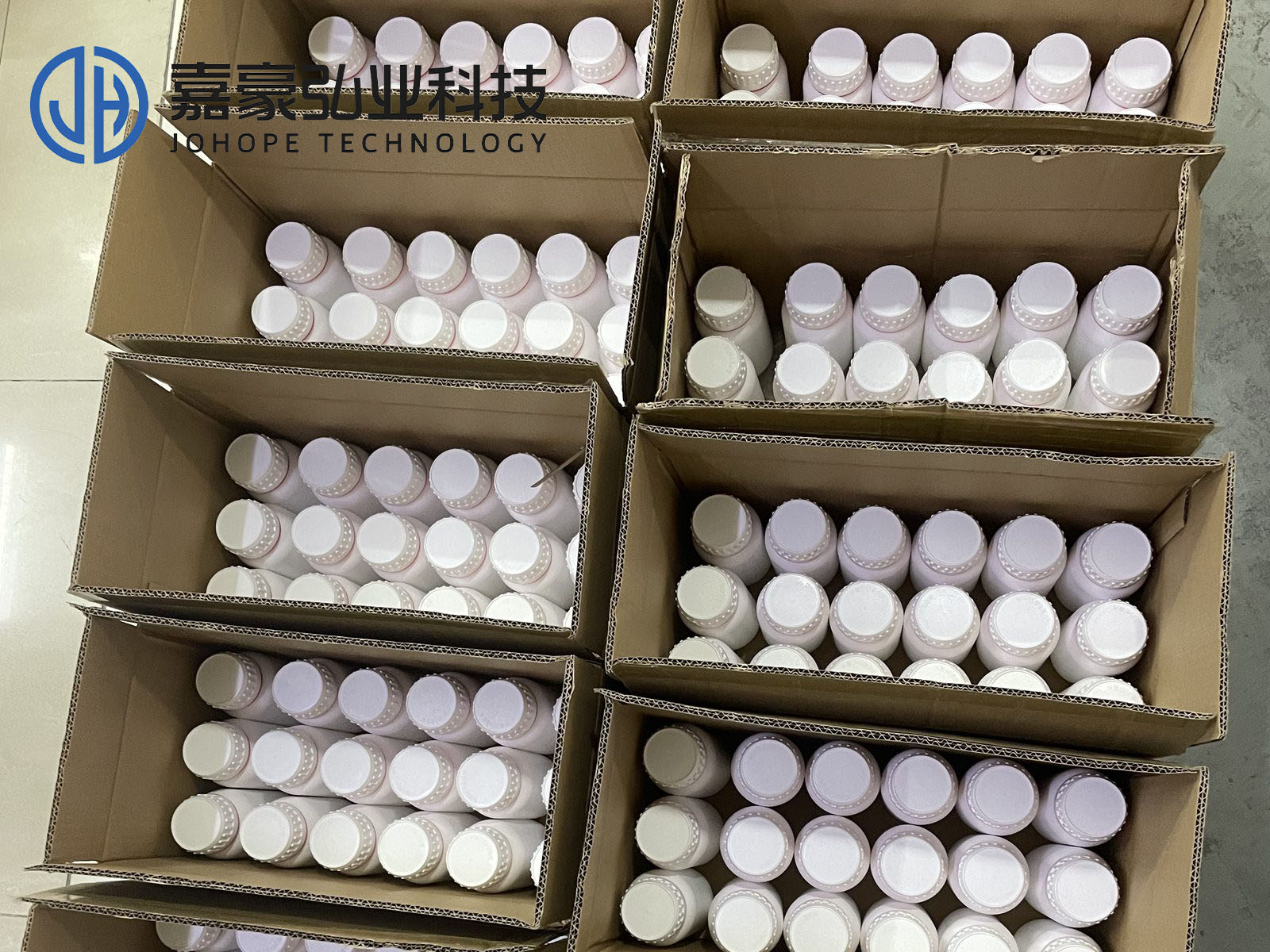
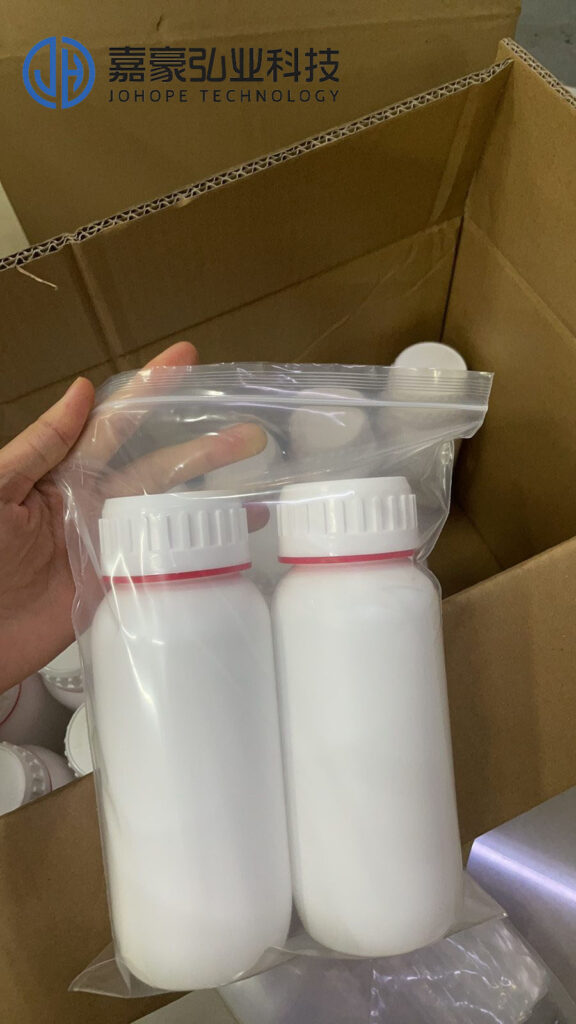
They started with two bottles of PRINTLIQUID™ DTF Remover Liquid. It breaks down the hot-melt adhesive and ink layers of a DTF transfer so the print lifts off and the garment can be re-pressed with a fresh transfer — works on cotton and most common fabrics, with a precision dispensing nozzle so the liquid goes only where it’s needed.
Then came the real test: not “does it work on one shirt on the bench” but “does it work on what actually comes off our line, with our fabrics, our film, our operators.” The answer was a 10-bottle reorder — flawed pieces were being stripped, re-pressed and shipped as first-quality product.
The latest order: 200 bottles.
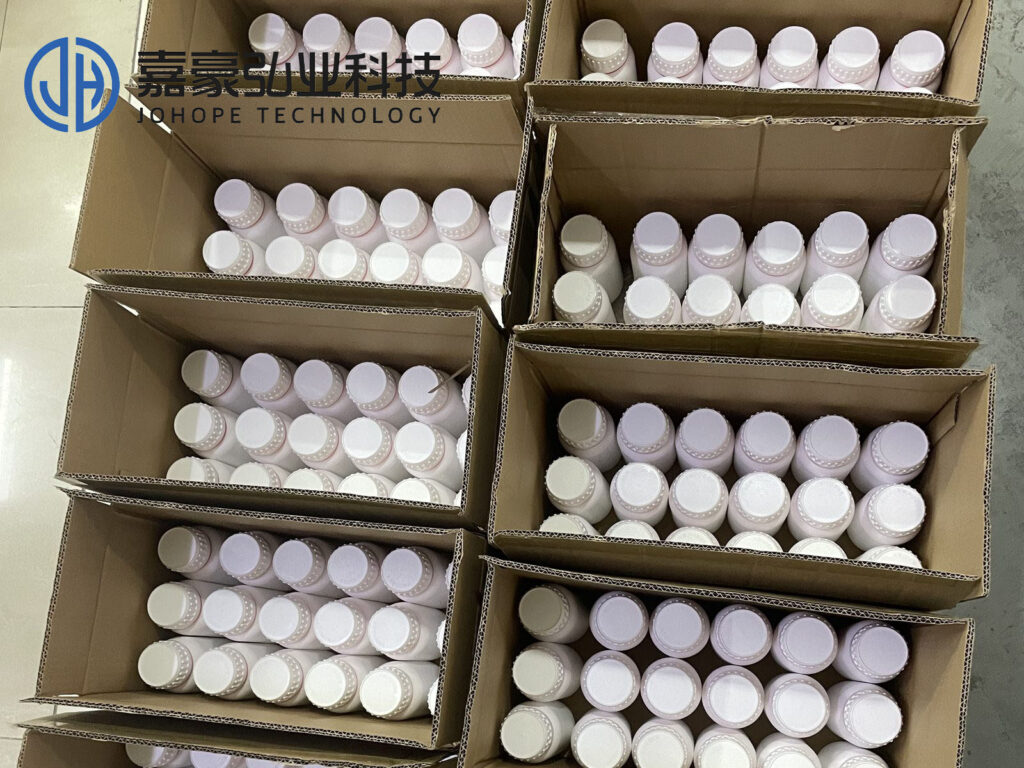
At that volume it’s no longer a bench chemical for the occasional rescue. It sits next to the press as a standard consumable, the same way film and powder do. That’s the shift we find most interesting here: from “rescue” to “routine.”
The math: rework beats scrapping
| Without remover | With remover | |
|---|---|---|
| Flawed garment | Scrapped | Stripped and re-pressed |
| Cost of the mistake | Blank + transfer + labor + reprint | One more transfer + a few minutes of labor |
| Effect on delivery | Short the order or delay to reprint | Ship on time, full quantity |
| Effect on new operators | Every mistake is expensive | Mistakes are recoverable, so training is cheaper |
That last row is the one brand printers care about most. When a mistake costs a whole garment, only your best operators can touch brand orders. When it costs a transfer and five minutes, newer staff can work brand orders sooner — so you can take more of them.
Shipping a liquid chemical? The paperwork is ready
For international shipping we hold the SGS-issued SDS plus air and sea transport identification reports — the documents forwarders and carriers actually ask for. That’s part of why a 200-bottle order goes out without paperwork holding it up. Copies available with your order.
Start with two bottles, like they did
| Product | PRINTLIQUID™ DTF Remover Liquid |
| Capacity | 500 ml per bottle |
| Suitable for | DTF prints on cotton and most textile materials |
| Function | Breaks down hot-melt adhesive and ink layers so the transfer can be removed and the garment re-pressed |
| Bottle | Precision dispensing nozzle for controlled application |
| MOQ | 1 bottle |
| Documentation | SGS SDS, air and sea transport reports available |
Step-by-step usage guide: How to Fix DTF Printing Mistakes? A Complete Guide to DTF Remover Liquid.
MOQ is 1 bottle. Order two, keep them next to the press for a week, and count the garments you save.
→ PRINTLIQUID™ DTF Remover Liquid — product page & inquiry
Or message us on WhatsApp with your typical fabric and order volume — we’ll send a PI.
Customer details have been withheld to protect their privacy.