The UV printing ink market is entering a high-growth phase driven by digital transformation, expanding industrial applications, sustainability regulations, and rising demand for customization. With steady global market expansion, rapid advancements in UV LED curing technology, and increasing adoption across packaging, electronics, textiles, and decorative materials, UV inks are evolving from traditional graphic consumables into high-value industrial solutions. For B2B manufacturers and suppliers, the future opportunity lies in technological innovation, application specialization, and sustainable product development.
1. Market Trends: Steady Growth and Structural Evolution
Strong Global Growth Outlook
The global UV-curable inkjet ink market is projected to grow from approximately USD 902 million in 2024 to nearly USD 1.48 billion by 2032, with a compound annual growth rate (CAGR) of over 6%.
Key growth drivers include:
- Digital transformation in packaging production
- Expansion of commercial graphics and signage
- Increased demand in textile and industrial marking
- Transition from solvent-based systems to environmentally friendly technologies
UV inks are no longer limited to advertising applications—they are increasingly penetrating industrial and functional manufacturing sectors.
Technological Advancements Accelerating Performance
The development of high-speed inkjet systems and UV LED curing technology has significantly improved production efficiency and print quality.
Key advantages include:
- Lower energy consumption with LED curing
- Faster curing speeds
- Enhanced color stability and layer adhesion
- Improved compatibility with industrial printheads
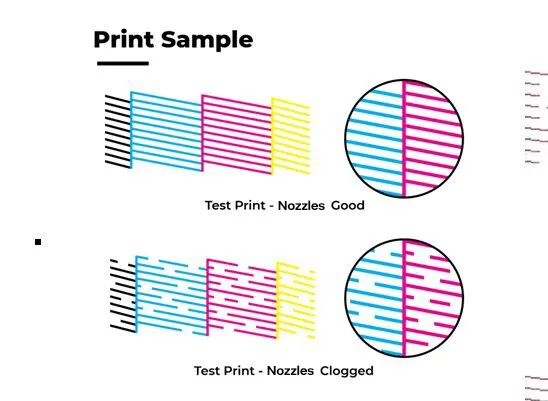
As printer precision advances, ink formulations are evolving toward greater stability, lower clogging rates, and longer printheads.
Sustainability as a Core Market Requirement
Environmental regulations and corporate ESG commitments are accelerating the shift toward eco-friendly UV ink solutions.
Key environmental benefits include:
- Low VOC emissions
- Minimal solvent evaporation
- Reduced harmful gas release during curing
Sustainability is no longer a value-added feature—it is becoming a prerequisite for participation in the global supply chain.
2. Technical Advantages: Why UV Printing Ink Leads
High Resolution and Superior Color Performance
UV inks deliver high-resolution output with vibrant colors and rich tonal gradation, achieving near photo-quality results. This makes them ideal for:
- Premium advertising graphics
- Brand display materials
- Decorative applications
Color performance directly enhances product value and brand impact.
Instant Curing and High Production Efficiency
UV inks cure instantly under ultraviolet light:
- No drying time required
- Immediate post-processing capability
- Faster turnaround cycles
This rapid curing capability increases production throughput and shortens delivery timelines.
Broad Substrate Compatibility
UV printing inks adhere to a wide range of materials, including:
Flexible Media
- Reflective films
- Canvas
- Leather
Rigid Materials
- Glass
- Wood
- Metal
Engineering Plastics
- PC panels
- ABS
- Stainless steel
This versatility enables innovation across advertising, decoration, and industrial manufacturing.
Durability and Industrial-Grade Stability
Once cured, UV inks offer:
- Excellent abrasion resistance
- Strong adhesion
- Superior weather resistance
- UV fade resistance
These properties make them highly suitable for outdoor signage and industrial marking applications.
3. Expanding Applications: From Graphics to Manufacturing
Packaging and Customization
E-commerce growth and brand differentiation strategies are driving demand for short-run and customized packaging. UV inks support:
- Flexible small-batch production
- Rapid artwork switching
- High-quality visual presentation
This creates significant growth potential in premium packaging markets.
Electronics and Industrial Marking
In electronics, automotive components, and industrial equipment manufacturing, UV inks provide durable marking solutions with:
- Chemical resistance
- Scratch resistance
- Long-term adhesion
These features meet demanding industrial performance standards.
Textile and Decorative Materials
UV inkjet technology is expanding into textile printing, offering high color saturation and strong durability. In architectural decoration, UV printing is increasingly used on glass, tiles, and metal panels for customized interior and exterior designs.
4. Business Opportunities: Strategic Growth Directions
Rising Demand for Personalization
Consumers increasingly seek unique and customized products. UV printing enables:
- Unique design execution
- Enhanced product differentiation
- Increased added value
Customization-driven strategies unlock higher-margin segments.
Innovation as a Competitive Differentiator
Companies investing in proprietary UV ink formulations—such as:
- High-efficiency curing systems
- Low-odor compositions
- Wide color gamut technologies
- Optimized printhead compatibility
—can strengthen technical barriers and improve pricing power.
Regulatory Momentum and Green Transformation
Stricter environmental policies are accelerating the transition away from high-pollution printing methods. Early adoption of eco-friendly UV ink solutions ensures compliance while strengthening brand reputation and global competitiveness.
Positioning for the Next Growth Cycle
The UV printing ink market is undergoing a structural transformation fueled by technology, sustainability, and industrial diversification. Growth will be defined not only by volume expansion but also by performance, reliability, and environmental compliance.
Businesses that prioritize technological innovation, deepen application expertise, and build stable supply partnerships will be best positioned to capitalize on the next wave of market opportunity.