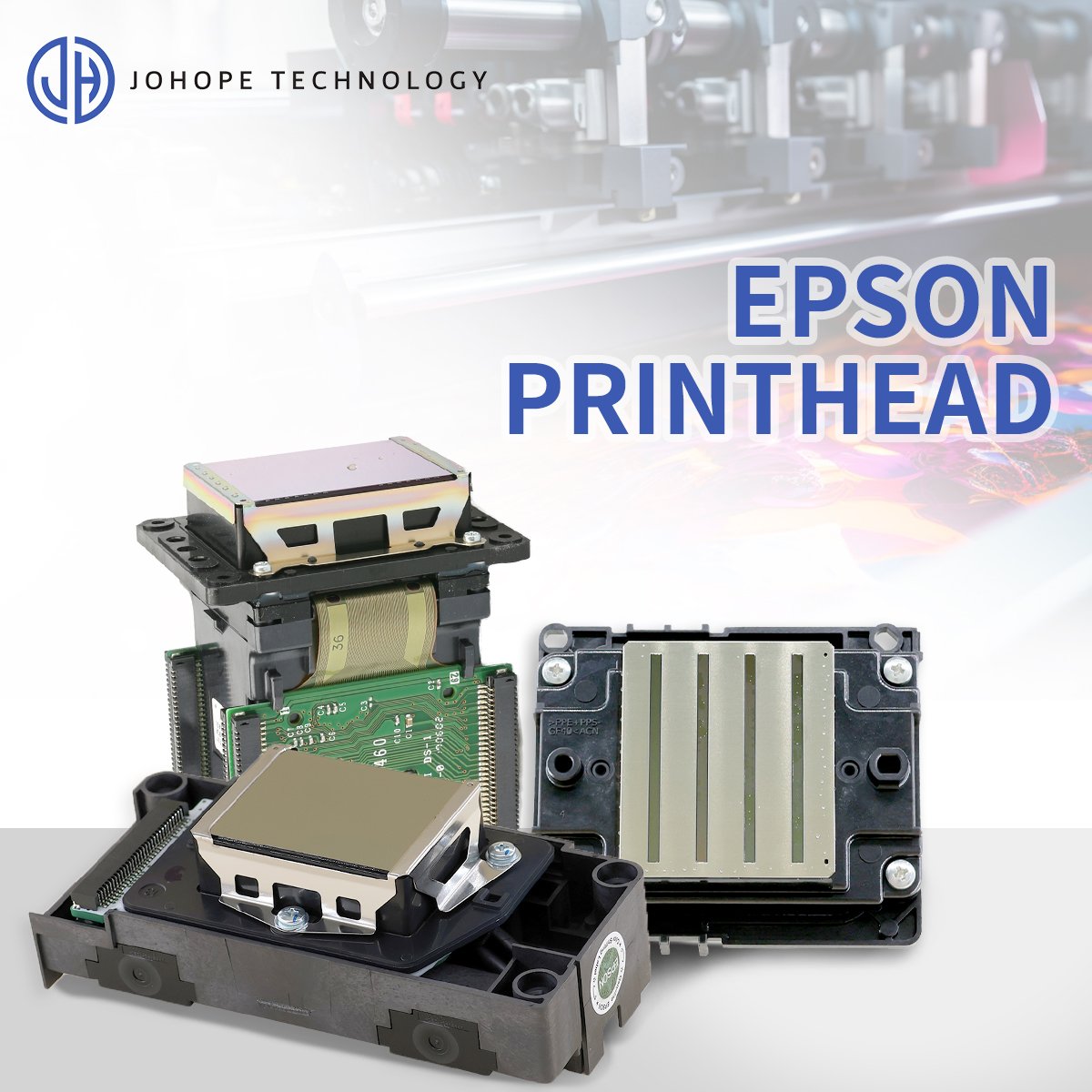
In inkjet printing systems—such as wide-format printers, UV printers, and DTF / DTG machines—the printhead is the most critical and expensive component. While many factors influence printhead lifespan and stability, ink selection is often underestimated, even though it plays a decisive role in long-term operation.
A common question from users is:
“Do we have to use original ink at all costs?”
The answer becomes much clearer when we look beyond short-term print quality and focus on long-term, continuous operation. This article analyzes the differences between original and third-party inks from a system-level perspective and explains how to make a rational choice based on real production conditions.
1. Ink and Printheads: A Highly Coupled System
A printhead is not a standalone component—it is a precision actuator that is extremely sensitive to ink properties. For industrial and commercial printheads such as Epson i3200/i1600, Ricoh, and Kyocera, the following parameters are strictly defined during design:
- Viscosity and surface tension
- Pigment particle size and dispersion stability
- pH value and chemical compatibility
- Solvent system and evaporation behavior
Even small deviations may not cause immediate problems, but under long-term operation, repeated firing, and frequent cleaning cycles, these differences accumulate and eventually affect printhead reliability.
Ink should therefore be considered part of the printhead system, not just a consumable.
2. What Is Original Ink, and What Is Third-Party Ink?
2.1 Original Ink
Original ink is typically developed by the printer manufacturer or its authorized partners. During development, it is tested together with the specific printhead structure, nozzle geometry, driving waveform, and ink supply system.
The main objective is not the lowest cost but stable long-term performance with predictable risks.
2.2 Third-Party Ink
Third-party ink is produced by independent manufacturers and varies widely in quality. It includes:
- High-quality, printhead-specific compatible inks
- Generic or cost-driven inks with limited system validation
Therefore, third-party ink should not be judged as a single category. The key difference lies in formulation maturity, consistency, and system-level verification.
3. Long-Term Performance of Original Ink
3.1 Higher Nozzle Stability
In long-duration printing, original ink typically shows:
- Lower risk of nozzle crystallization or residue buildup
- More consistent jetting direction
- Reduced misting and dot deviation
This is especially important for continuous production environments.
3.2 More Predictable Cleaning Behavior
With proper maintenance, printers running original ink often achieve:
- Higher success rates for automatic cleaning cycles
- More stable backflow and negative pressure conditions
- Lower mechanical stress on ink pumps, dampers, caps, and wipers
This results in controlled maintenance instead of reactive troubleshooting.
3.3 More Predictable Printhead Lifespan
Statistical data from long-term operation indicate that original ink helps:
- Slow down nozzle fatigue
- Reduce the risk of irreversible clogging
- Maintain stable voltage and waveform compatibility
For high-value printheads, predictability itself is a major advantage.
4. Potential Risks of Third-Party Ink in Long-Term Operation
4.1 Increased Risk of Chronic Clogging
Some third-party inks may suffer from:
- Insufficient dispersion stability
- Pigment aggregation or sedimentation
- Higher crystallization risk after idle periods
These issues often appear as slow, progressive clogging, which becomes increasingly difficult to recover over time.
4.2 Higher Maintenance Load
Printers running incompatible ink often require:
- More frequent automatic or manual cleaning
- Stronger ink pump suction
- Faster consumption of wipers, caps, ink dampers, and filters
While ink cost may be lower, overall maintenance cost and downtime often increase.
4.3 Risk of Irreversible Printhead Damage
If the solvent system or additives are not fully compatible with printhead materials, long-term exposure may cause:
- Gradual nozzle plate corrosion
- Internal channel residue buildup
- Contamination of electrode areas
Once irreversible damage occurs, printhead replacement becomes unavoidable.
5. Is Original Ink the Only Safe Choice?
Not necessarily.
In real production environments, the decision depends on application requirements, operating intensity, and acceptable risk level.
For users with:
- High-value printheads
- Fine-detail or color-critical printing
- Long-term continuous operation
Original ink remains the safest option.
However, many users operate in conditions such as:
- Printers out of warranty
- Large machine fleets
- High sensitivity to production cost
In these cases, the real question is not “original or not,” but whether the ink has been properly engineered and validated for long-term printhead operation.
6. Our Ink: An Engineered Solution for Long-Term Stability
Unlike generic or low-cost inks, our inks are developed specifically for long-term printhead operation, with system compatibility as the core design objective.
Key characteristics include:
- Clear compatibility with mainstream industrial and commercial printheads
- Strict control of viscosity, surface tension, and particle distribution
- High-standard filtration and stable dispersion systems
- Balanced performance between jetting stability and cleaning friendliness
In extensive real-world applications, these mature, well-controlled ink formulations help reduce chronic clogging and minimize irreversible printhead damage—while offering a more cost-efficient option for printers operating beyond warranty.
Our goal is not to simply replace original ink, but to provide a controlled, reliable alternative for long-term operation.
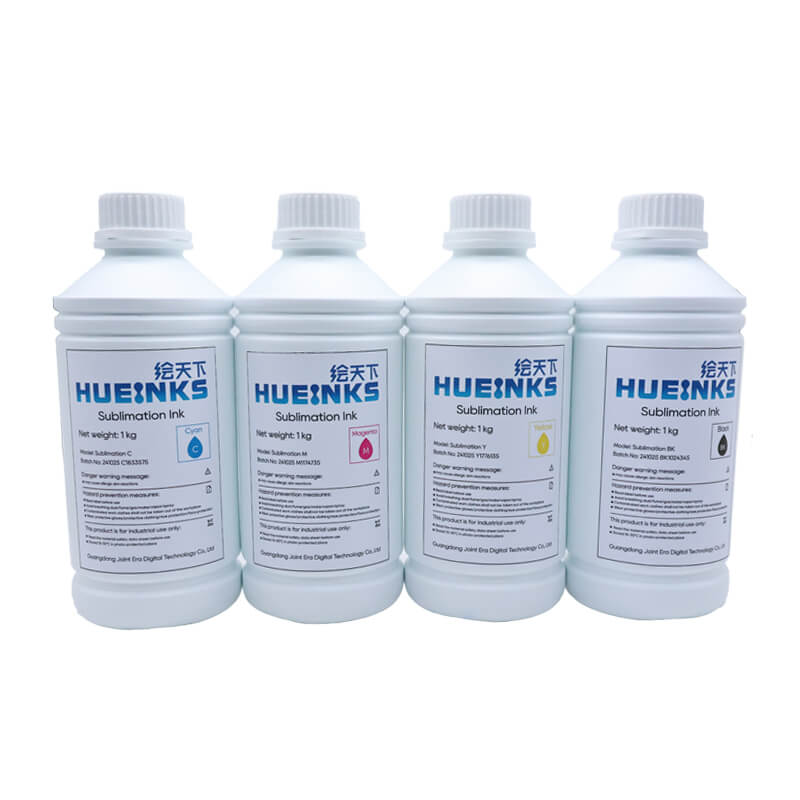
7. Key Factors to Consider When Choosing Ink
Whether you choose original ink or high-quality compatible ink, the following criteria are more important than price alone:
- Clear compatibility with your specific printhead model
- Stable batch-to-batch consistency
- Availability of matched cleaning solutions and maintenance guidance
- Proven long-term usage cases
- Transparent technical specifications (viscosity, surface tension, filtration level)
The printhead is the most expensive and fragile component in an inkjet system. Ink is not an area where cost savings should be made without careful consideration.
Conclusion
Under long-term operating conditions, the performance difference between original and third-party inks is real—and it increases over time. Ink selection should be based not only on upfront cost, but on printhead lifespan, maintenance frequency, and operational risk.
By selecting inks that are properly engineered, tested, and documented for long-term use, users can minimize downtime, prolong printhead life, and achieve more consistent production.