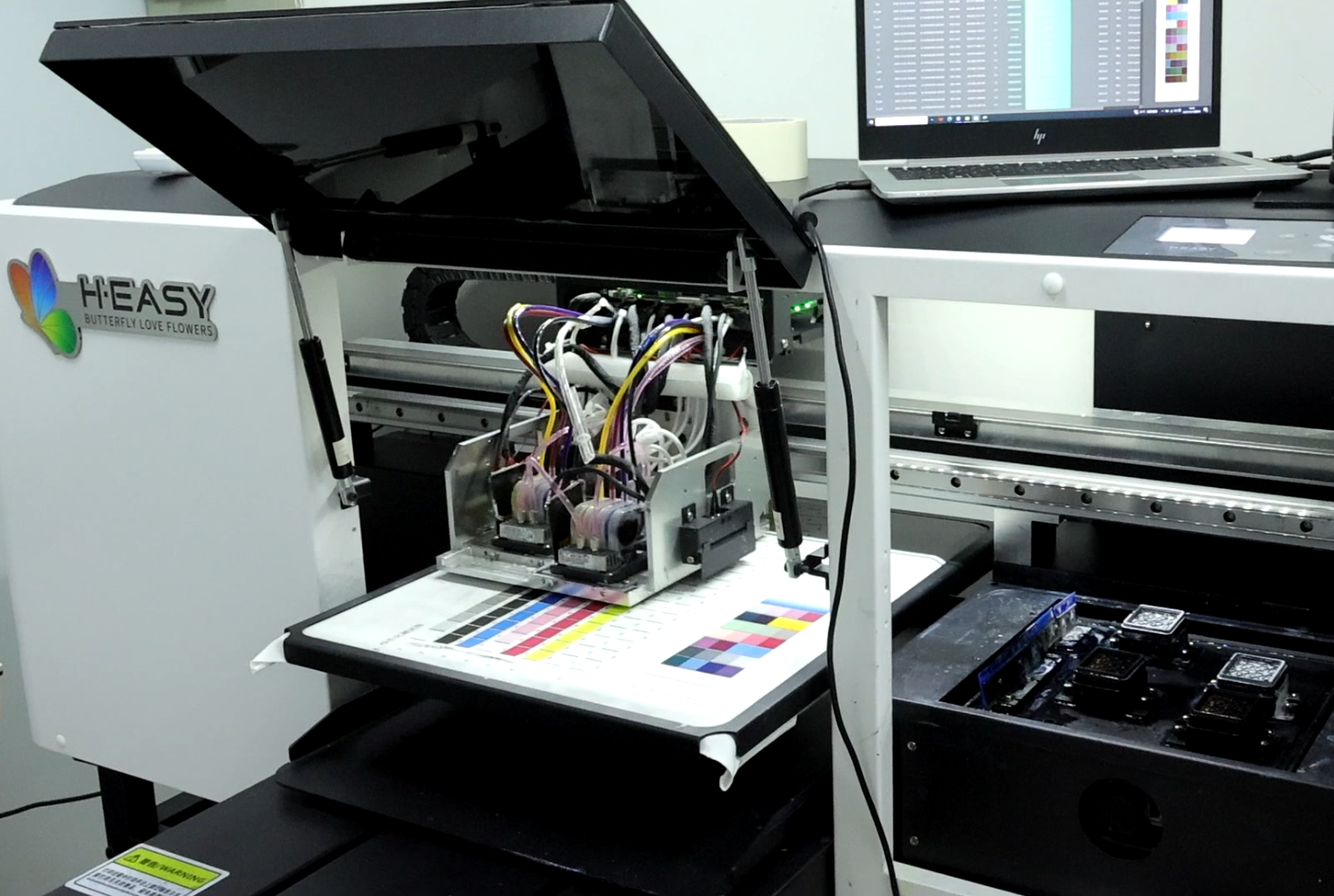
Direct-to-Garment (DTG) printing has become one of the most popular technologies for customized apparel production. By printing ink directly onto fabric, DTG printers allow businesses to create detailed graphics, photo-quality images, gradients, and personalized designs without traditional screen-printing preparation.
From small custom apparel studios to large-scale textile production facilities, DTG printing provides excellent flexibility and high-quality output.
However, DTG printers are also precision machines that require regular maintenance. Among all printer problems, print head clogging is one of the most common and costly issues.
A clogged print head can cause:
- Missing nozzles
- Print banding
- Uneven colors
- Poor white ink coverage
- Reduced print quality
- Increased cleaning frequency
- Premature printhead replacement
In severe cases, continuous clogging can permanently damage the printhead and increase operating costs.
The good news is that most DTG printhead clogging problems are preventable.
This guide explains why DTG printheads clog, how to prevent nozzle blockage, and which maintenance practices can help extend printer lifespan and improve production reliability.
What Is DTG Print Head Clogging?
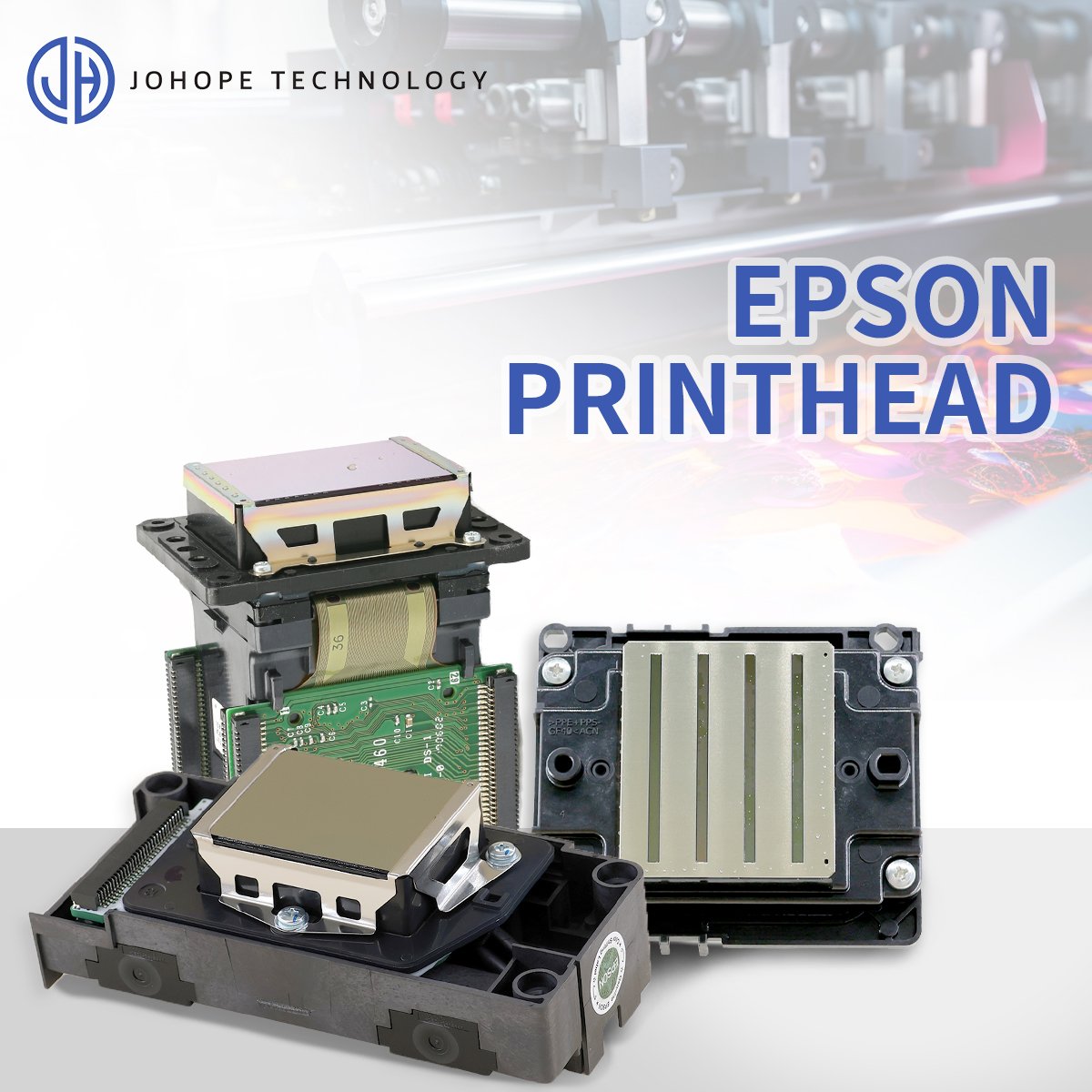
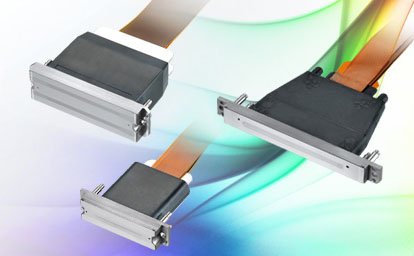
A DTG printer uses a precision printhead containing thousands of microscopic nozzles. During printing, these nozzles spray tiny ink droplets onto garment fibers to create detailed images.
When ink cannot flow properly through these nozzles, printhead clogging occurs.
Common blockage sources include:
- Dried ink residue
- Pigment sediment
- Dust particles
- Fabric lint
- Poor ink circulation
- Air bubbles inside the ink system
Even a small number of blocked nozzles can affect print quality.
Why Are DTG Print Heads More Likely to Clog?
Unlike dye-based inks, DTG printers usually use pigment-based textile inks.
Pigment inks provide:
- Strong color durability
- Excellent wash resistance
- High opacity
- Better fabric coverage
However, pigment particles are heavier and more likely to settle.
White ink is especially challenging because it contains titanium dioxide (TiO₂), a dense white pigment used to create bright and opaque prints.
Without proper circulation, white ink may:
- Separate inside cartridges or tanks
- Accumulate in ink lines
- Reduce ink flow
- Block printhead nozzles
This is why proper ink management is one of the most important parts of DTG printer maintenance.
Main Causes of DTG Print Head Clogging
DTG print head clogging is usually not caused by a single factor. In most cases, nozzle blockage occurs due to a combination of ink characteristics, printer usage habits, maintenance practices, and working conditions.
Understanding the main causes of clogging allows users to take preventive actions before print quality problems appear.
The most common causes of DTG print head clogging include:
Long Periods Without Printing
One of the biggest causes of nozzle blockage is printer inactivity.
When a DTG printer remains unused for several days, ink inside the printhead and ink lines can begin to dry.
Over time:
- Ink viscosity increases
- Pigments settle
- Nozzle openings become restricted
For businesses with irregular production schedules, regular maintenance printing is essential.
Recommended practice:
- Run a nozzle check every 1–2 days
- Print a small maintenance pattern when idle
- Keep white ink circulating
- Avoid leaving the printer unused for long periods
Regular ink movement is one of the simplest ways to prevent DTG print head clogging.
Poor Ink Supply System Performance
The printhead depends on a stable ink delivery system.
Problems with ink supply components can create:
- Insufficient ink flow
- Air entering the ink line
- Uneven ink pressure
- Ink starvation
Important DTG printer parts related to ink delivery include:
- Ink dampers
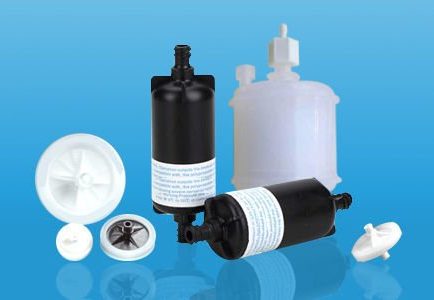
- Ink filters
- Ink pumps
- Ink tubes
- Ink cartridges
- Sub tanks
For example, a clogged ink filter may restrict ink flow before the ink even reaches the printhead.
Regular inspection and replacement of these components help maintain stable printing performance.
Recommended maintenance parts:
- DTG ink filters for removing particles
- Ink dampers for stabilizing ink pressure
- Ink pumps for reliable circulation
- Ink supply system components for consistent delivery
Lack of Regular Printhead Maintenance
Preventive maintenance is always more effective than repairing a severely clogged printhead.
A proper DTG maintenance routine should include daily, weekly, and monthly tasks.
Daily DTG Printer Maintenance Checklist
1. Perform Nozzle Checks
A nozzle check helps identify early problems before they become serious.
Look for:
- Missing lines
- Broken patterns
- Uneven ink output
Early detection allows quick recovery.
2. Clean the Printhead Area
Ink residue around the printhead surface can affect nozzle performance.
Regular cleaning helps prevent:
- Ink buildup
- Contamination
- Poor wiping performance
3. Check the Capping Station and Wiper
The maintenance station plays a critical role in printhead protection.
The capping station keeps the printhead sealed when idle, while the wiper removes excess ink from the nozzle surface.
Common replacement parts include:
- Cap tops
- Wiper blades
- Cleaning pads
Worn maintenance components may reduce cleaning efficiency and increase clogging risks.
Weekly and Monthly Maintenance Tasks
Depending on production volume, DTG printers should receive deeper maintenance.
Recommended inspections include:
1. Clean the Maintenance Station
Remove:
- Dried ink
- Waste ink residue
- Fabric dust
2. Check Ink Filters
Ink filters capture contaminants before ink reaches the printhead.
Over time, filters may become blocked and reduce ink flow.
Replacing filters regularly helps protect expensive printheads.
3. Inspect Ink Pumps and Circulation Systems
For printers using white ink systems, stable circulation is essential.
A weak ink pump may cause:
- White ink settling
- Uneven printing
- Increased cleaning cycles
Maintaining the ink circulation system helps keep pigment particles evenly distributed.
Unsuitable Printing Environment
DTG printers are sensitive to dust and textile fibers.
Garment production areas often contain:
- Cotton fibers
- Fabric dust
- Loose particles
These contaminants may enter the print mechanism and affect nozzle performance.
Recommended environment practices:
- Keep the printer away from cutting areas
- Clean the workspace regularly
- Use printer covers when idle
- Avoid excessive airborne dust
A clean environment contributes significantly to stable DTG printing.
Incorrect Temperature and Humidity
Environmental conditions directly influence ink-drying behavior.
Low humidity can accelerate ink evaporation, increasing the chance of nozzle blockage.
Recommended operating conditions:
| Condition | Recommended Range |
|---|---|
| Temperature | 20–28°C |
| Humidity | 45–60% |
Stable temperature and humidity help maintain consistent ink flow.
Poor Ink Quality or Incompatible Ink
Ink quality has a direct impact on printhead performance.
High-quality DTG inks usually provide:
- Consistent pigment size
- Stable viscosity
- Better filtration
- Reliable flow characteristics
Poor-quality ink may contain:
- Excessive particles
- Unstable formulation
- Higher sedimentation risk
Although premium ink may cost more initially, it often reduces maintenance expenses and downtime.
Poor Ink Management
Correct ink management is essential.
Follow these practices:
- Store ink in sealed containers
- Keep ink away from direct sunlight
- Avoid extreme temperatures
- Check expiration dates
- Do not mix different ink brands
For white ink:
- Maintain proper circulation
- Mix according to manufacturer recommendations
- Prevent long-term sediment buildup
Incorrect Startup and Shutdown Procedures
Incorrect shutdown procedures are another common cause of clogging.
Always:
- Use the printer's shutdown function
- Allow the printhead to return to the capping station
- Avoid sudden power interruption
Proper parking keeps the nozzle surface protected from air exposure.
Signs Your DTG Print Head Needs Attention
Common warning signs include:
Missing Nozzles
Broken nozzle patterns usually indicate partial blockage.
Print Banding
Horizontal lines often appear when ink delivery becomes inconsistent.
Poor White Ink Coverage
White ink problems may indicate:
- Ink sedimentation
- Circulation problems
- Damper or filter issues
Frequent Cleaning Required
If cleaning cycles become increasingly frequent, the printer may have an underlying maintenance issue.
Why Preventive DTG Maintenance Matters
A good maintenance program provides long-term benefits:
- Longer printhead lifespan
- More consistent print quality
- Lower ink waste
- Reduced downtime
- Fewer emergency repairs
- Higher production efficiency
For commercial DTG businesses, preventive maintenance directly impacts profitability.
Choosing the Right DTG Printer Parts for Maintenance
Replacing worn components at the right time is an important part of printer care.
Common DTG maintenance parts include:
- Printheads
- Ink dampers
- Ink filters
- Ink pumps
- Capping stations
- Wiper blades
- Ink tubes
- Cleaning accessories
Using reliable replacement printer parts helps maintain stable ink delivery and protect the printhead from unnecessary damage.
Frequently Asked Questions (FAQ)
Most DTG printers require daily nozzle checks and regular maintenance cleaning. The exact schedule depends on printer usage, ink type, and production environment.
White ink contains titanium dioxide pigment, which is heavier than color pigments. Without proper circulation, particles can settle and block the ink path.
Minor clogs can often be recovered through proper cleaning procedures. Severe or permanent nozzle damage may require printhead replacement.
The best methods include:
Regular printing
Proper cleaning
Stable ink supply
Correct environmental conditions
Timely replacement of maintenance parts
Conclusion
DTG printhead clogging is one of the most common challenges in garment printing, but it is also one of the easiest problems to prevent with proper maintenance.
Regular operation, high-quality ink, stable ink circulation, clean working conditions, and timely replacement of printer maintenance parts all contribute to reliable DTG performance.
A proactive maintenance strategy not only protects your printhead investment but also helps your business achieve consistent quality, higher productivity, and lower operating costs.