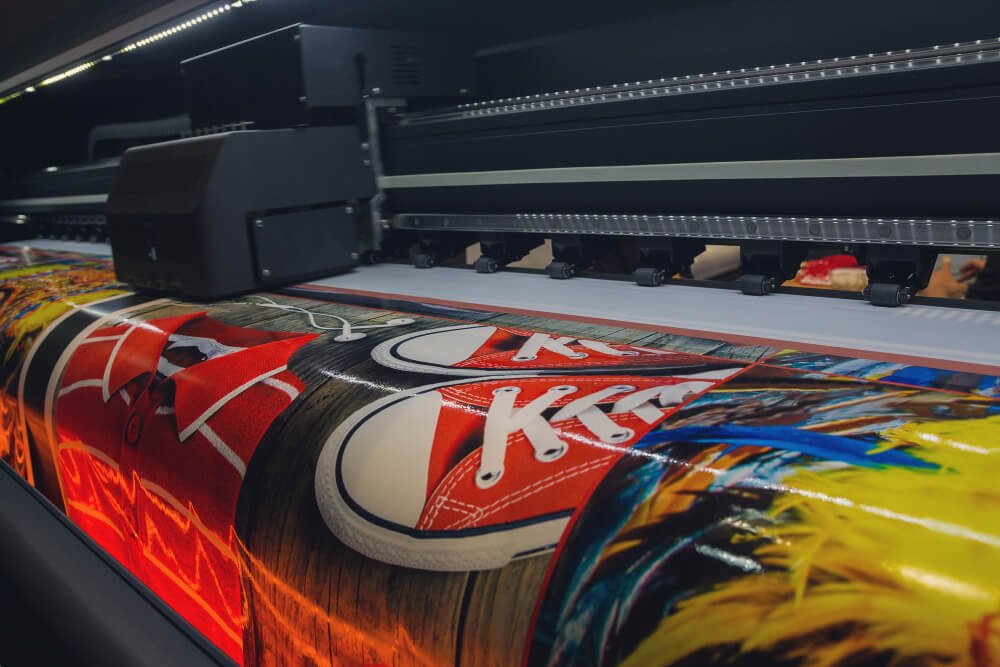
In the advertising and photo printing industry, inkjet printers remain one of the most essential production tools. Today’s market mainly offers single-head, dual-head, and multi-head inkjet printers. Among them, single-head and dual-head inkjet printers have become the mainstream choices due to their cost-effectiveness and wide application range.
For many users, choosing between a single-head or dual-head printer can be a difficult decision. This article will help you make a clearer choice by analyzing order volume, investment cost, printing efficiency, and real application scenarios, so you can select the right inkjet printer with confidence.
1. Single-Head Inkjet Printers: A Stable and Practical Entry-Level Choice
From the perspective of print volume and initial investment, single-head inkjet printers are particularly suitable for the following users:
- Beginners entering the advertising printing industry
- Small and medium-sized print shops
- Individual in-house production users
- Businesses with stable but moderate daily print volumes
Generally speaking, if your daily printing volume is within dozens of square meters, a single-head inkjet printer can fully meet production requirements.
1.1 Printing Speed and Stability
Most mainstream single-head inkjet printers operate at speeds of approximately 8–15 square meters per hour.
For example, models such as the MT-D16 single-head printer are able to deliver stable output while maintaining good print quality, making them well-suited for everyday advertising and photo printing tasks.
Thanks to their simpler structure and mature technology, single-head printers offer high operational stability and lower failure rates during long-term use.
1.2 Maintenance and Cost Advantages
Compared with dual-head printers, single-head models offer several clear advantages:
- Easier adjustment and calibration
- Simpler daily maintenance
- Lower technical requirements for operators
- More controllable costs for printheads and consumables
From an investment standpoint, single-head inkjet printers are more affordable, allowing users to establish their own production capabilities with a smaller budget. This reduces outsourcing costs and helps improve overall profit margins.
2. Dual-Head Inkjet Printers: Higher Speed for High-Volume Production
So where do dual-head inkjet printers excel?
2.1 Significantly Higher Printing Efficiency
With two printheads working simultaneously, dual-head inkjet printers can achieve nearly double the output of single-head models under the same print width—and sometimes even more.
For instance, dual-head models such as the MT-RJ16B2 can reach printing speeds of over 40 square meters per hour in high-precision production modes, dramatically increasing productivity.
2.2 Ideal for Large Orders and Processing Businesses
Dual-head inkjet printers are especially suitable for users who:
- Handle large or continuous print volumes
- Frequently face tight delivery deadlines
- Require high production efficiency
- Provide outsourced printing services for other companies
Faster printing means:
- Shorter production cycles
- Reduced labor involvement
- Higher overall operational efficiency
2.3 Cost and Maintenance Considerations
It should be noted that dual-head inkjet printers involve higher equipment costs, printhead costs, and maintenance complexity compared to single-head printers. Therefore, they are better suited for businesses with stable order sources and a certain production scale.
For processing-oriented printing companies, choosing a dual-head printer is not only a matter of efficiency, but also a reflection of production capability and competitiveness.
3. Single-Head or Dual-Head? Key Selection Guidelines
When making your final decision, consider the following questions:
- Is your order volume stable and growing?
- Do you frequently face urgent delivery schedules?
- Do you prioritize lower investment cost or higher production efficiency?
In summary:
- Single-head inkjet printers: Lower investment, easier maintenance, stable and durable—ideal for small and medium users
- Dual-head inkjet printers: Faster speed and higher capacity—ideal for high-volume or processing-based businesses
4. Conclusion: The Right Choice Is the Best Choice
In the advertising printing industry, more printheads do not necessarily mean better performance. The key is choosing the right configuration based on your business scale, order structure, and development stage.
Selecting the appropriate inkjet printer not only improves production efficiency but also helps reduce operating costs, making advertising printing more efficient, stable, and manageable.
Stable Printing Starts with Proper Parts and Maintenance
Whether using a single-head or dual-head inkjet printer, stable long-term performance depends on reliable spare parts and regular maintenance.
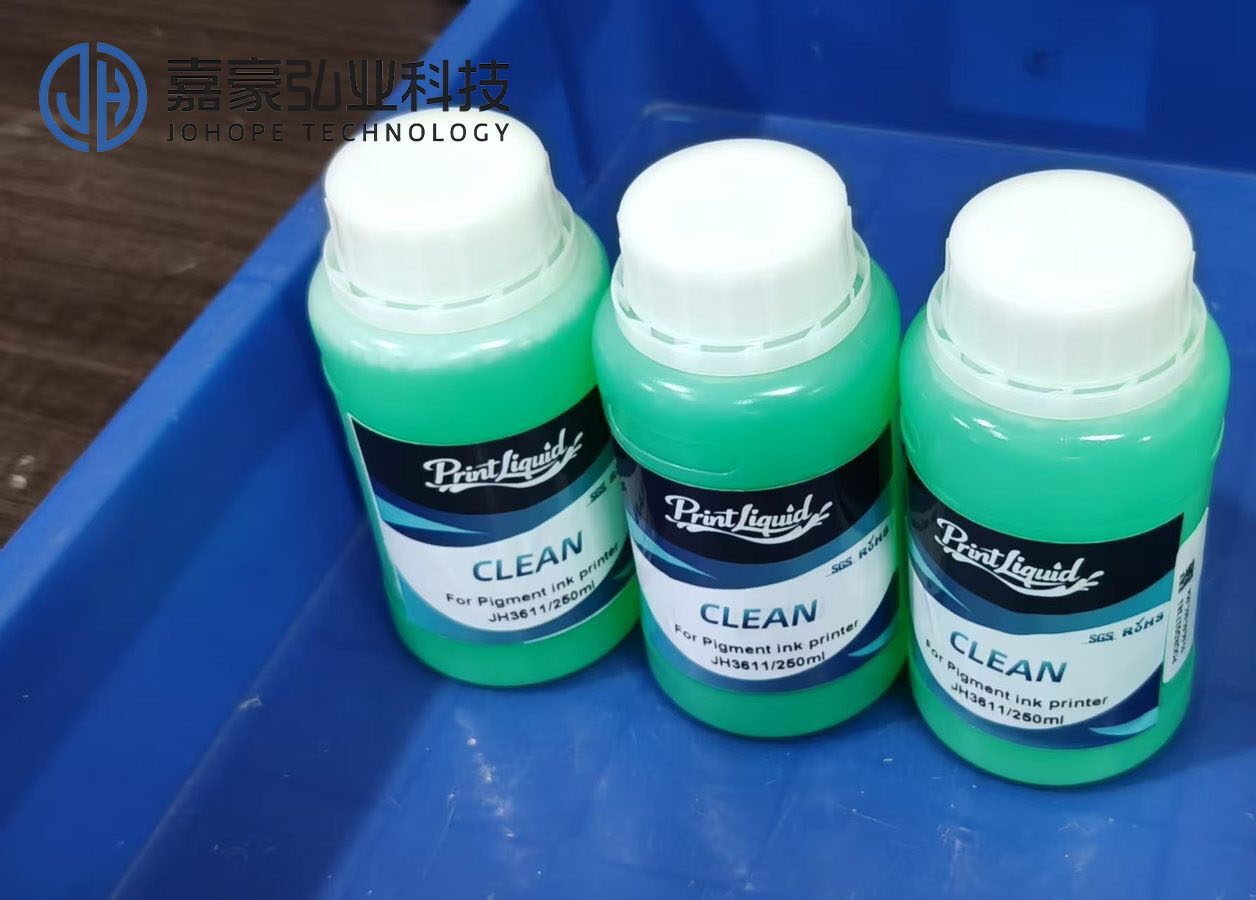
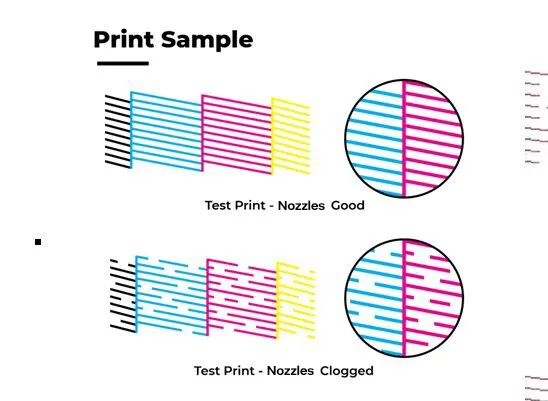
Key consumables such as printhead cleaning solutions, ink pumps, ink tubes, ink dampers, filters, and ink pads play a critical role in maintaining ink system stability, preventing clogging, and extending printhead lifespan—especially under high-load production.
By selecting compatible spare parts and following a proper maintenance schedule, users can reduce downtime, protect core components, and keep printing operations running efficiently.
If you need matched spare parts or maintenance solutions for your inkjet printers, feel free to contact us for professional recommendations.