In many Epson wide-format printers and industrial inkjet printers, we often see the printhead voltage adjustment option in the print control software. So what is the printhead voltage, and under what circumstances can we try to adjust the voltage of the printhead? Today, we will talk to you in detail about the working principle of printhead voltage and its impact on printing.
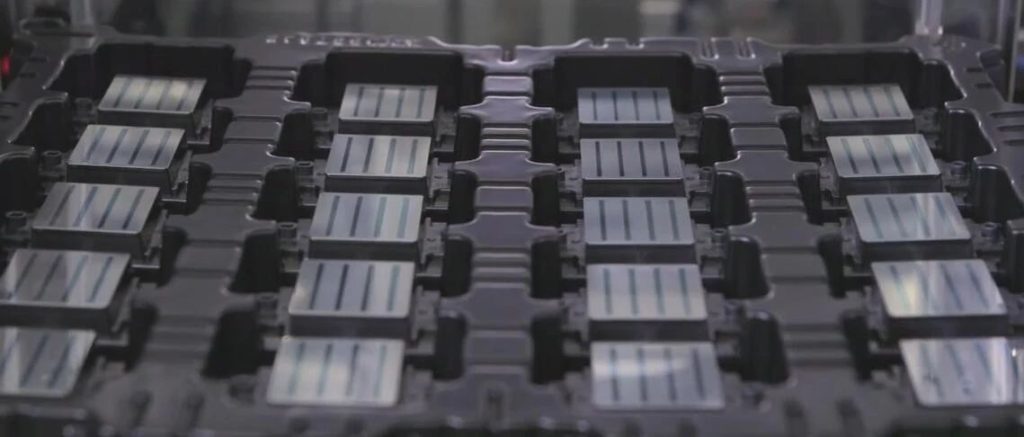
Working Principle of Printhead Voltage
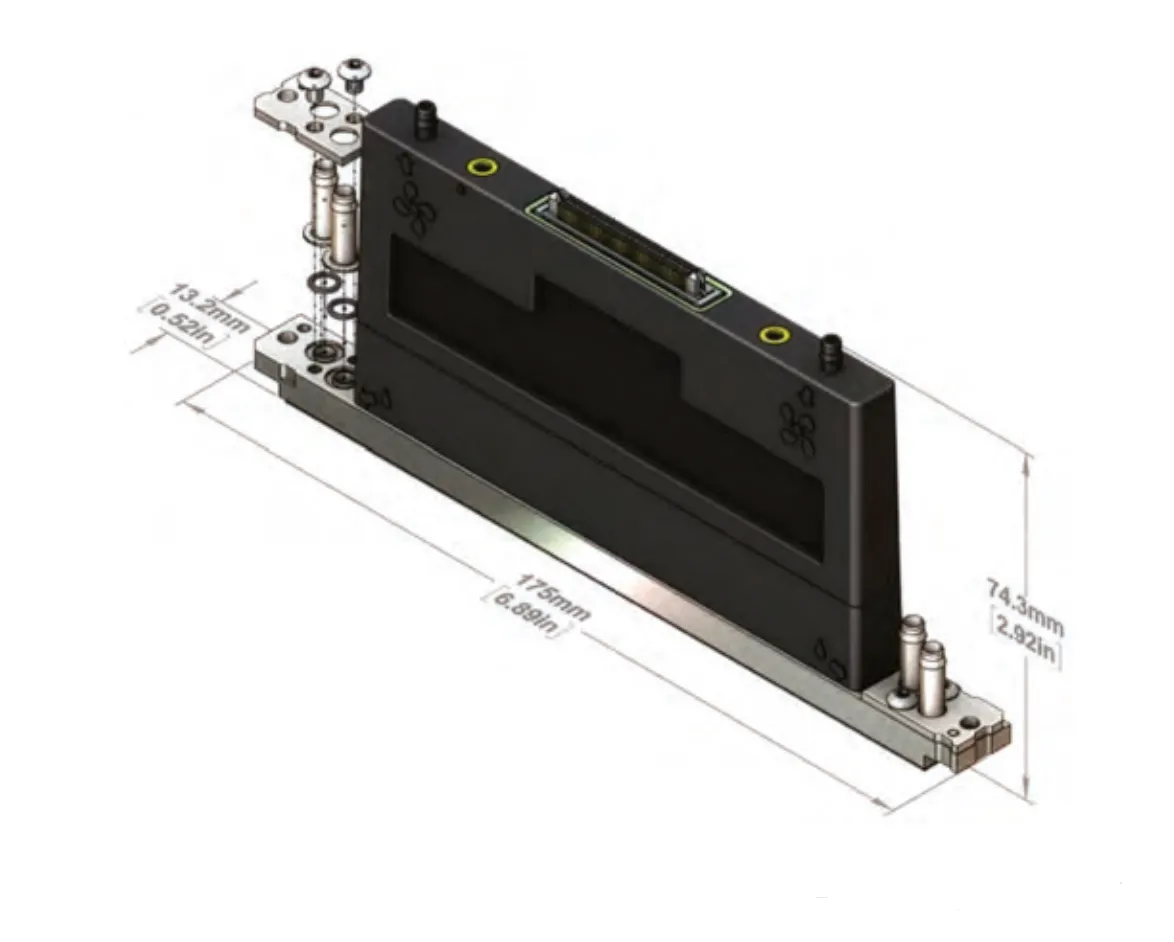
Piezoelectric printheads mainly use the voltage induced by the piezoelectric crystal to produce bending deformation for inkjet printing. Different voltages have different loads on the piezoelectric crystals in the piezoelectric printhead, and the degree of deformation of the crystal will also be different. This results in different ejected ink droplets, thus affecting the printing effect and quality of the piezoelectric wide-format printer.
Theoretically speaking, the higher the voltage of the printhead, the greater the amount of ink ejected. And the better the print quality; the lower the voltage, the lower the amount of ink ejected per unit time, and the image quality will become lighter. But this is not the case. Without affecting the image quality, the lower the voltage, the better. Excessive voltage will often cause ink breakage in the printhead, and the piezoelectric crystal is often in a high-load working state. The piezoelectric crystal inside the printhead is easily fatigued, damaged, and broken, which will reduce the service life of the printhead. The common printhead voltage of Epson piezoelectric wide-format printers is generally between 28V and 32V.
The Relationship Between Printhead Voltage and Ink Viscosity
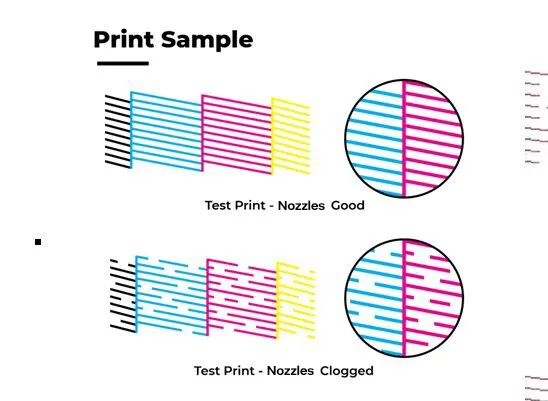
A printhead with a high voltage requires a high ink viscosity, and a printhead with a low voltage requires a low ink viscosity, and the two are proportional to each other. If the voltage is high and the ink viscosity is low, it will cause too much ink and too fast speed. The ink dots will be reflected to the bottom of the printhead to form ink droplets that block the nozzle. There will also be burrs and ink drift. Also, if the voltage is low and the ink viscosity is high, the ink will not be ejected, and the color patches will be uneven and not full.
Different brands of piezoelectric printheads have different voltages. For example, the Epson printhead's voltage is 30V, and the Seiko printhead's voltage is 38V. Different printheads with different voltages have different viscosity requirements for ink. A printhead with a higher voltage requires a higher viscosity of the ink. The printhead with lower voltage requires the viscosity of the ink to be lower, and the two are directly proportional to each other.
Daily Printing Voltage Adjustment Application
In the daily actual printing process of the printer, if the ink breaks out frequently, should the voltage be adjusted? How to adjust the voltage? It is generally not recommended to adjust the voltage because changes in voltage will affect the printing effect. It is more intuitive that if the voltage is increased, the color will become darker. And if the voltage is decreased, the color will become lighter. Ignoring the impact of voltage adjustment on color, when frequent ink breaks occur during the printing process, generally speaking, the voltage needs to be adjusted down because too high a voltage can easily cause ink droplets to break. Generally, fine-tuning is performed in units of 0.5V. When blurring or uneven edges occur during the printing process, the voltage generally needs to be increased, because too low a voltage will cause the ink droplet speed to be slow and result in inaccurate placement of the ink droplets.