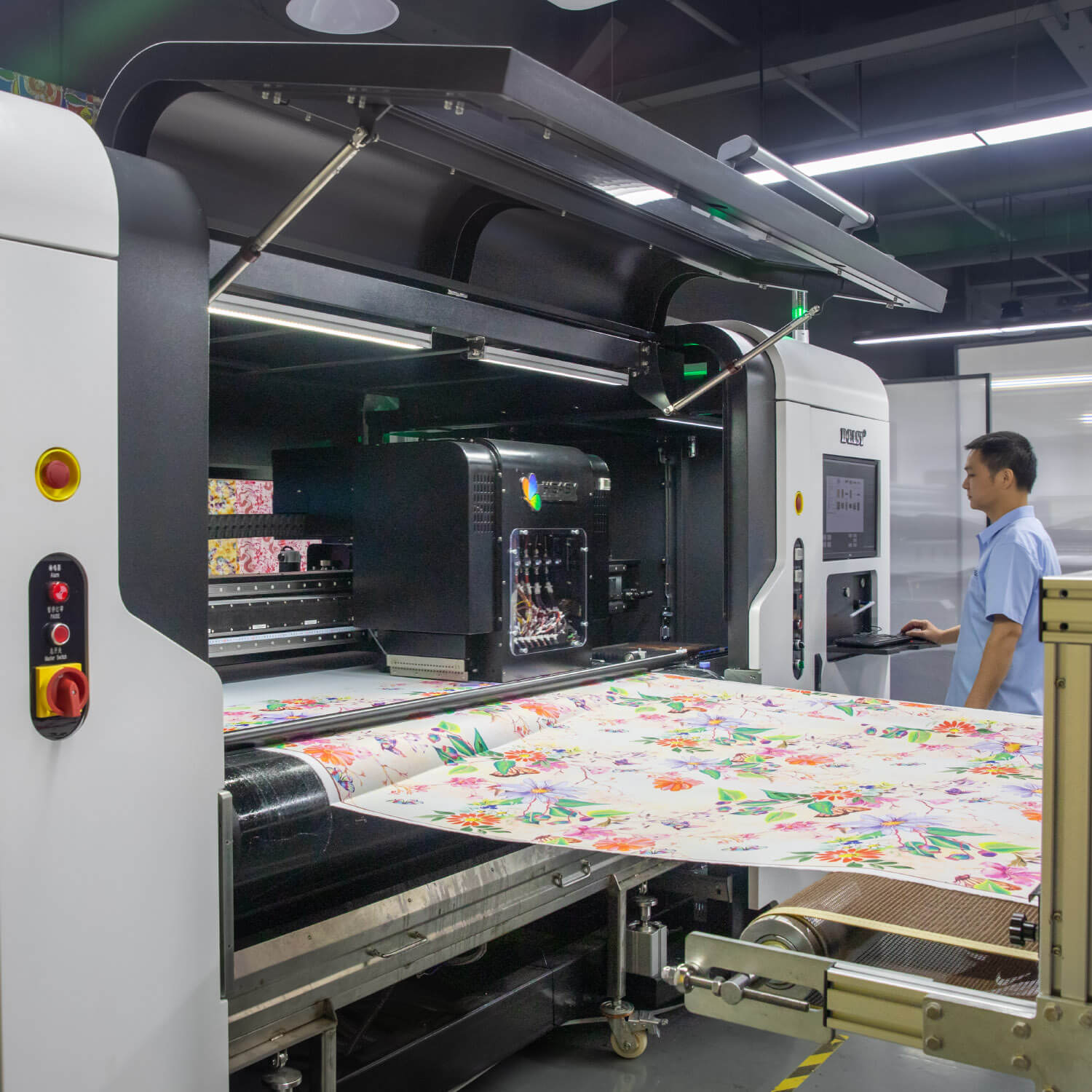
Choosing the right printhead is one of the most critical decisions in direct-to-fabric textile printing, as it directly determines print quality, production speed, ink compatibility, system stability, and long-term operating cost. There is no universally “best” printhead for all textile applications—the optimal choice depends on production volume, ink system, image quality requirements, and maintenance strategy.
Among today’s industrial textile printers, the Kyocera EX600, Epson S3200, and Ricoh G6 represent three distinct approaches: ultra-high-speed industrial output, high-resolution scanning performance, and versatile long-term stability. This article compares their performance in real textile printing scenarios and provides practical guidance to help manufacturers and print service providers select the printhead that best matches their production model.
Core Printhead Requirements for Direct-to-Fabric Printing
Direct textile printing places stricter demands on printheads than UV or graphic printing applications.
1. Compatibility with Water-Based Textile Inks
Direct-to-fabric printing systems typically use:
- Reactive inks
- Acid inks
- Disperse inks
- Textile pigment inks
These inks feature low surface tension, high flowability, and in some cases fine particles, which means the printhead must offer:
- Strong chemical resistance
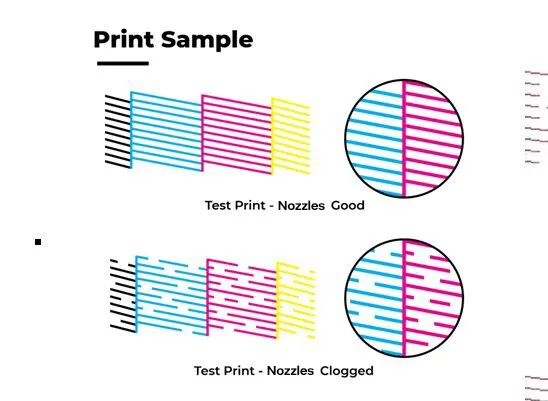
- Excellent anti-clogging performance
- Stable ink flow and internal circulation
2. Long-Term Continuous Jetting Stability
Textile printing often involves:
- Wide fabric widths
- Long print runs
- Continuous 24/7 production cycles
Printheads must maintain consistent droplet formation at high speed over extended periods, minimizing nozzle dropout, misting, and color shift.
3. Flexible Drop Size and Grayscale Control
Textile applications require:
- Smooth color transitions
- Rich tonal depth
- Proper ink penetration into fabric fibers
This makes variable drop size and multi-level grayscale control essential for balancing fine detail and ink coverage.
Key Printhead Parameters That Affect Textile Printing Performance
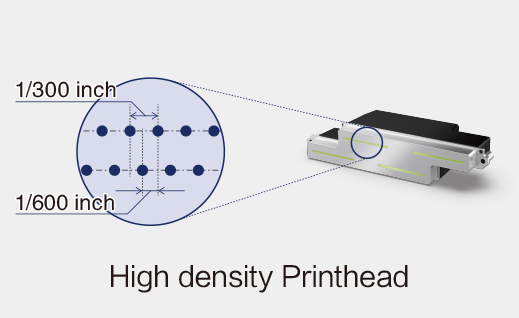
1. Nozzle Count and Arrangement
- Higher nozzle density increases theoretical productivity
- Nozzle layout affects print speed, stitching accuracy, and stability
Industrial textile printers favor high-density nozzle arrays to maintain output quality at high speed.
2. Drop Volume (pL)
| Drop Size Range | Typical Applications |
|---|---|
| 3–6 pL | Fine patterns, text, smooth gradients |
| 6–12 pL | Standard apparel and home textiles |
| >12 pL | Dark fabrics, high ink penetration |
Variable droplet technology is strongly preferred in textile printing.
3. Firing Frequency and Productivity
Higher firing frequencies enable:
- Faster fabric transport
- Higher daily output
However, they also require:
- Stable ink formulations
- Well-designed ink supply systems
- Effective thermal management
Overview of Three Popular Industrial Textile Printheads
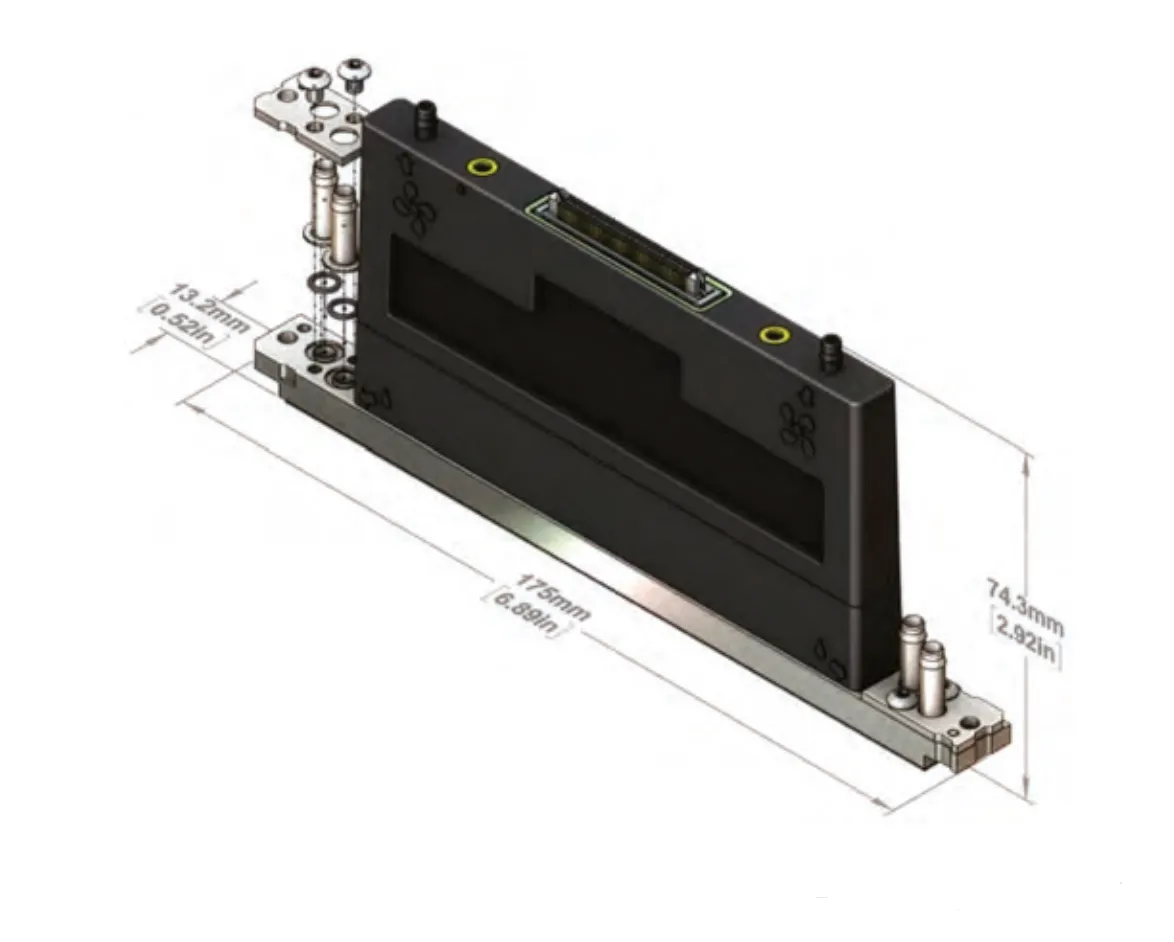
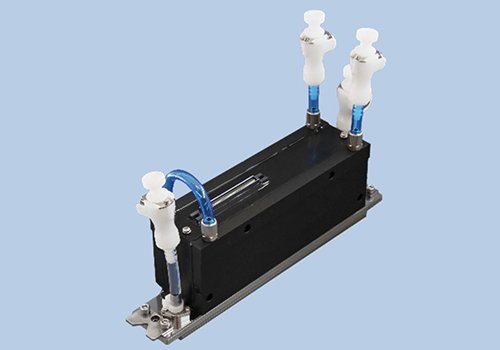
1. Kyocera EX600 (KJ4B-EX600-RC)
A high-end industrial printhead designed for maximum speed and durability.
Key characteristics:
- Extremely high firing frequency
- Nozzle-level ink recirculation
- Exceptional mechanical strength
- Large drop volume capability
Best suited for:
- Large textile factories
- Single-pass or ultra-high-speed scanning lines
- High-volume, standardized production environments
2. Epson S3200 Printhead (PrecisionCore Micro-TFP)
A next-generation industrial printhead offering excellent precision at a competitive cost.
Key characteristics:
- Advanced piezo control for fine droplets
- Smooth grayscale transitions
- Lower investment and maintenance costs
Commonly used in:
- Mid- to high-end scanning textile printers
- Fashion fabrics and customized apparel
- Disperse ink and direct pigment textile printing
3. Ricoh G6 (MH5320 / MH5340 Series)
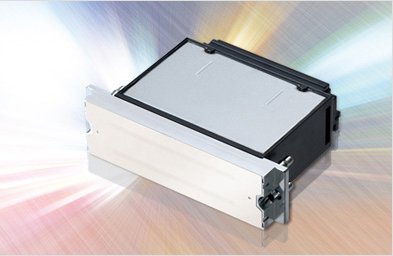
An industrial-grade printhead known for stability and ink versatility.
Key characteristics:
- Strong grayscale performance
- Broad compatibility with textile inks
- Proven reliability for continuous operation
Ideal for:
- Mid-range industrial textile printers
- 24-hour production environments
- Mixed ink systems and diverse applications
Performance Comparison in Textile Printing Applications
| Performance Aspect | Kyocera EX600 | Epson S3200 | Ricoh G6 | Best Choice |
|---|---|---|---|---|
| Printing Speed | Fastest output; ideal for single-pass and ultra-high-volume production lines | Balanced speed for scanning textile systems | High-speed performance with excellent long-term stability | Speed: Kyocera EX600 Stable high speed: Ricoh G6 |
| Print Quality & Image Detail | Consistent industrial-grade quality even at high speed | Finest detail and smooth gradients, thanks to the small droplet capability | Excellent mid-tone control and balanced image quality | Fashion & fine detail: Epson S3200 |
| Ink Compatibility | Optimized for specific reactive ink systems | Strong performance with disperse and pigment inks | Broad compatibility: reactive, acid, disperse, and pigment inks | Ink versatility: Ricoh G6 |
| Durability & Maintenance | Highest durability and longest service life | Requires more careful maintenance | Robust industrial stability for continuous operation | Long-term reliability: Kyocera EX600 |
| Total Cost of Ownership (TCO) | Higher initial investment; best for large-scale production | Best ROI for scanning textile printers | Balanced investment with long service life | Best overall value: Epson S3200 |
Printhead Selection Recommendations by Production Needs
| Production Requirement | Recommended Printhead |
|---|---|
| Ultra-high output textile factories | Kyocera EX600 |
| High-resolution fashion fabrics | Epson S3200 |
| Long-term continuous production | Ricoh G6 |
| Polyester disperse printing | Epson S3200 |
| Maximum industrial durability | Kyocera EX600 |
| Multi-ink system flexibility | Ricoh G6 |
Conclusion
In direct-to-fabric textile printing, the printhead is not just a component—it defines:
- Image quality
- Production speed
- Ink compatibility
- Long-term operating cost
The Kyocera EX600, Epson S3200, and Ricoh G6 each excel in different areas.
The optimal choice depends on your ink system, production volume, quality expectations, and long-term business strategy.
By selecting a printhead that truly matches your production model, textile printers can achieve stable output, high efficiency, and sustainable growth in a highly competitive market.