In the field of UV printing, Ricoh and Epson printheads have become the two mainstream choices in the market due to their excellent performance and wide application. The following is a summary of the differences between the two:
Technical Features
The main features of Ricoh printheads include:
- Industrial-grade piezoelectric inkjet technology (Piezo): ensures high jetting stability and reliable performance in demanding environments.
- Metal nozzle structure: offers excellent corrosion resistance, supports high-viscosity and UV-curable inks, and typically provides a service life of over two years.
- Variable droplet printing (grayscale printing): with droplet sizes ranging from 7pl to 21pl, achieving a balance between speed and precision.
- High firing frequency: ideal for high-speed industrial printing applications.
- Representative models: Ricoh GEN4, GEN5, GH2220, TH5241, etc.
The main features of Epson printheads include:
- Micro Piezo technology: offers high precision in droplet control and delivers delicate, detailed images.
- High nozzle density: enables printing resolutions of 1440 dpi or higher, ensuring excellent detail reproduction.
- Small droplet size: typically ranges from 3.5pl to 10pl, making it ideal for high-precision image output.
- Lower purchase cost: helps keep the overall printer price more competitive.
- Service life: about 1–2 years, with higher requirements for maintenance and environmental conditions.
- Limited ink compatibility: less suitable for highly corrosive or high-viscosity inks.
- Representative models: Epson DX5, DX7, I3200, S3200, etc.
Printing Performance and Applications
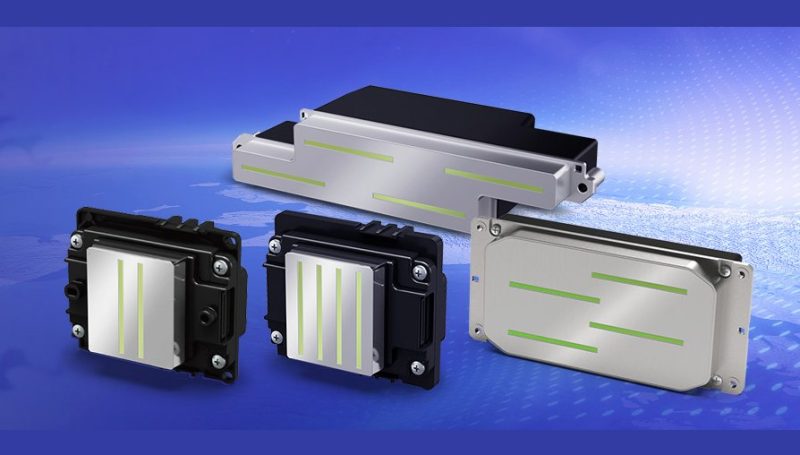
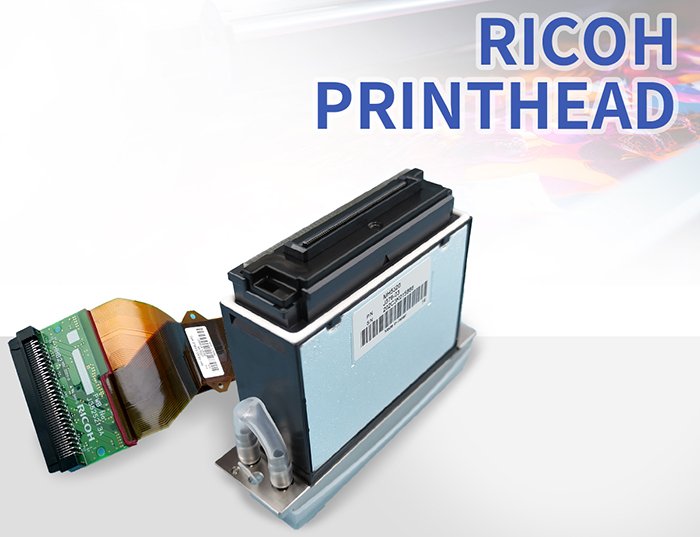
Ricoh printheads are built with MEMS manufacturing technology, featuring a robust structure and scientifically arranged nozzles. They maintain consistent output even when printing on highly absorbent or uneven materials. With their high-speed stability, Ricoh printheads are particularly suitable for industrial-scale mass production, including packaging printing, signage, and textile printing applications.
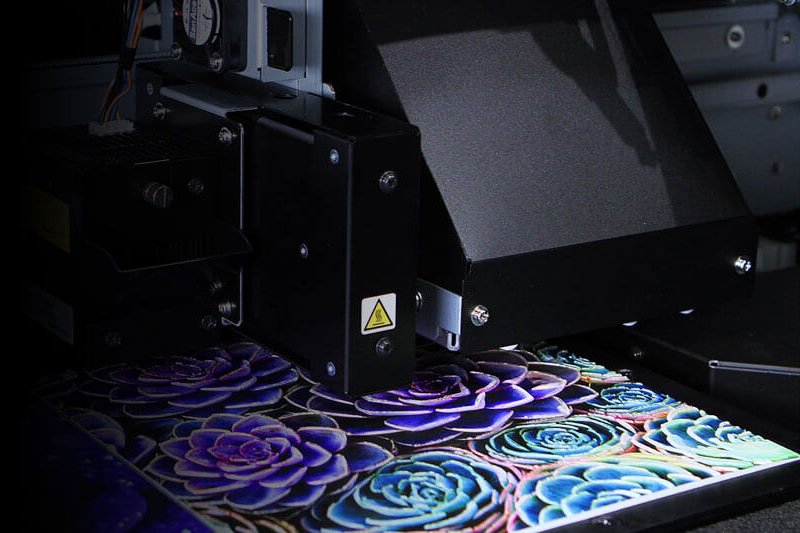
Epson printheads, on the other hand, focus on excellent compatibility with UV inks. Some models, such as the I3200-U1, are specially optimized for precise droplet placement and uniform ink spreading, delivering delicate and vivid image quality. They perform exceptionally well in small-format, high-precision printing, making them ideal for photo-grade output and professional art printing.
Ink Compatibility
Ricoh printheads usually have a wide range of ink compatibility and can adapt to various inks such as water-based, UV, and solvent.
Epson printheads are segmented into ink types according to different models to ensure the best match and printing effect with specific inks.
Application Areas
Due to their high productivity and stability, Ricoh printheads are often used in industrial printing, such as textiles, corrugated paper, labels, and advertising logos.
Epson printheads are widely used in various scenarios from small home use to professional printing due to their high-cost performance.
User Selection Considerations
When selecting a printhead, users should consider factors such as ink type, nozzle count, droplet size, printing speed, and overall equipment budget.
If the application requires high-intensity, heavy-duty industrial production with strong demands for durability and stability, Ricoh printheads are the better choice.
However, if cost efficiency and high-resolution output are the priorities, and the environment involves small to medium-scale production or creative work, Epson printheads offer a clear advantage.
Market Positioning
Ricoh printheads are positioned in the industrial market with strict requirements on printing quality with their high-end technology and performance.
Epson printheads meet the different needs of users from entry-level to professional level with their wide product line and high-cost performance.
In summary, Ricoh and Epson printheads have their strengths. Users should choose the most suitable type of printhead based on their printing needs, ink type, budget, and application scenarios.