UV negative pressure ink technology is gradually demonstrating its unique advantages in modern printing processes. This technology combines traditional UV printing with negative pressure control, creating an innovative printing method that significantly improves printing precision and efficiency. The core of this technology lies not in simply applying pressure and ink, but in meticulously controlling the balance between the two. How effective is UV negative pressure ink technology in real-world applications? How does it operate? And what impact has it had on the printing industry?
Working Principle of the Negative Pressure Ink System
The working principle of the negative pressure ink system can be understood from two perspectives: negative pressure and ink. Negative pressure, as the name suggests, creates an environment within the system that is below atmospheric pressure. This allows for better control of ink flow. Ink flow typically relies on air pressure, but in this process, preventing excessive ink flow and precisely controlling ink volume have become key technological innovations. In a negative-pressure ink system, negative pressure effectively limits ink overflow and ensures precise ink delivery.
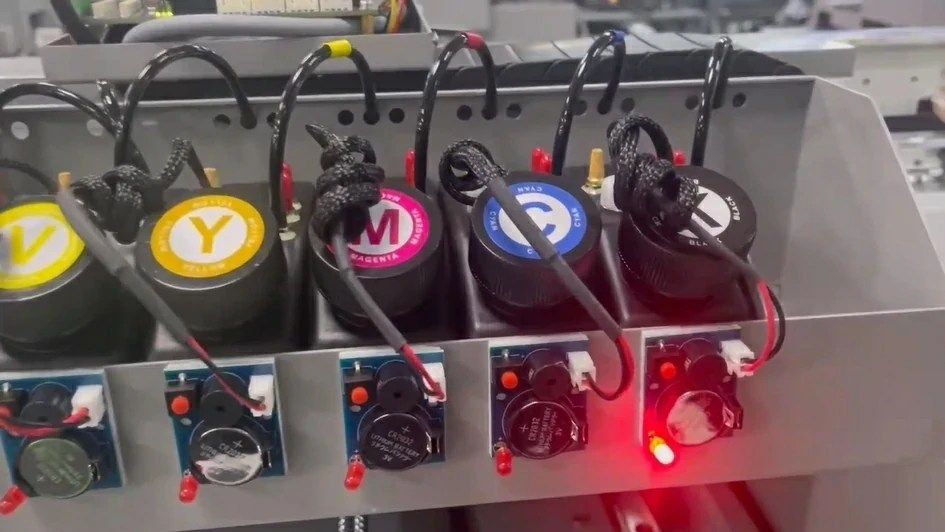
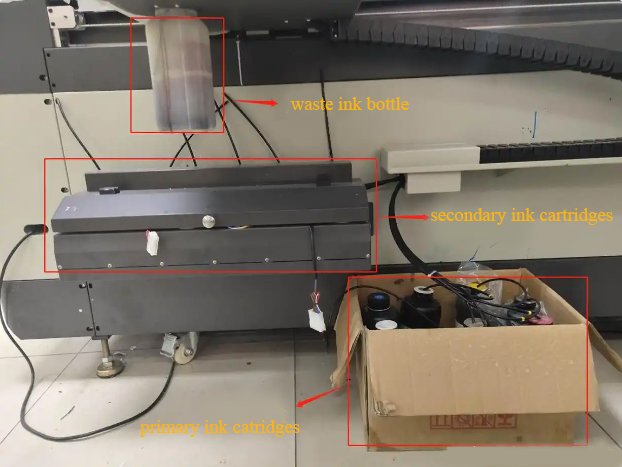
Negative-pressure ink supply systems are commonly found in Ricoh printers and primarily consist of interconnected primary and secondary ink cartridges, adapters, and ink circuits. The primary ink cartridge acts as a warehouse, continuously supplying ink to the entire ink circuit. Secondary ink cartridges are affected by gravity, and under normal circumstances, ink automatically flows to the printhead. Therefore, a peristaltic pump and gas cylinder are added to the secondary ink cartridge to balance the negative pressure pull with the weight of the ink, ensuring that the ink at the printhead is in a balanced state and preventing overflow or backflow. It may sound complicated, but the principle is the same as for a syringe. With balanced air pressure, the liquid inside won't flow out, no matter how you turn the syringe upside down or shake it.
Advantages of the Negative Pressure Ink System
Why are so many industries adopting this technology? One of the most direct advantages is improved printing precision. The negative pressure system controls the ink flow from the ink tank to the printhead, eliminating the need to worry about uneven application or slow drying caused by unstable pressure. The negative pressure system not only controls the ink flow but also reduces the generation of bubbles during printing, which is crucial for reproducing delicate patterns.
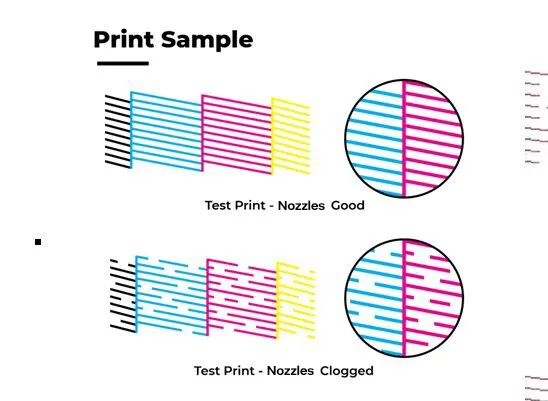
Negative-pressure ink supply systems represent a significant improvement over positive-pressure ink supply systems. Anyone who has used an Epson printer knows that if the test line is missing before printing, the printer typically relies on ink capping to clean the printhead (some smaller printers have automatic cleaning functions, but these aren't very practical). This process is cumbersome and inefficient. However, negative pressure ink supply systems eliminate the need for ink pumping by executing ink pressure commands directly in the software, eliminating the need for ink pumping and significantly reducing the complexity of these operations. Furthermore, ink can be added at any time during printing, eliminating the need to stop the machine for refills and improving production efficiency.
Unlike traditional open ink circuits, the negative pressure ink supply systems in UV printers utilize a closed-loop system to recycle ink, significantly reducing ink waste. This not only reduces production costs but also meets environmental requirements. Amidst increasing environmental pressures, this closed-loop management model for UV negative pressure ink circuits not only improves resource utilization but also reduces the environmental impact of production. After implementing this technology, many companies have been able to control material consumption during production better and significantly reduce waste emissions.
The implementation of UV negative pressure ink systems is not a one-time effort. Both technical research and development and system debugging require significant investment of time and resources. During this process, printers of different brands and models often require detailed adjustments based on their specific equipment requirements when adapting this technology. These adjustments involve not only hardware but also software algorithm support. For a UV negative pressure ink system to operate accurately and stably, the relevant equipment must possess robust pressure control capabilities and be equipped with high-precision flow sensors and regulators.
Key to UV Negative Pressure Ink Supply System
However, printing is a dynamic process. As ink is consumed, the intensity of the negative pressure must also be constantly adjusted. Insufficient negative pressure results in excessive ink supply, causing ink bleeding; excessive negative pressure results in insufficient ink supply, which can easily cause ink cuts. Otherwise, ink will either not be delivered or will seep all over the printhead surface. Therefore, the key lies in the sensitivity and reliability of the negative pressure system's real-time pressure detection device and the ability of the valve response time to control the pressure level in real time to adapt to the printer's usage.
Application Areas
From an application perspective, UV negative pressure ink technology has begun to be widely used in many fields.
In the packaging and printing industry, especially in food and cosmetics packaging, this technology is widely used. Due to the extremely high requirements for printing quality and fierce market competition in these industries, any slight printing defect can lead to customer loss. Driven by such demand, the use of UV negative pressure ink technology can effectively improve the stability of product quality and ensure that every product meets the perfect standard. The advantages of UV negative pressure ink technology in label printing are equally significant.
Label printing typically requires high speed and precision, and UV negative pressure ink technology addresses this challenge. Precise ink control not only increases printing speed but also significantly improves print quality, ensuring impeccable detail on every label. The advantages of UV negative pressure ink technology are particularly pronounced when printing challenging designs such as color gradients and tiny fonts.
UV negative pressure ink systems also play a crucial role in the electronics industry, particularly in the printing of housings for consumer electronics products like mobile phones and televisions. Consumers are increasingly demanding of the appearance of these high-end products, and any flaws in the production process can directly impact their market competitiveness. Precise control of UV negative pressure ink systems not only ensures high-quality printing but also effectively reduces the rate of defective products caused by process issues.
Challenges
It's worth noting that despite the numerous benefits of UV negative pressure ink technology, practical applications still face challenges. For example, when it comes to ink selection, ensuring smooth transfer of different brands and types of ink in a negative-pressure environment requires manufacturers to adjust the ink formula precisely. Ensuring the long-term stability of the equipment and preventing negative pressure system failure due to prolonged operation are also major technical challenges.
UV negative pressure inkjet printing is an emerging printing technology that, thanks to its precise control of ink flow, has become an indispensable component of modern printing. Its application not only improves production efficiency and reduces costs, but also contributes positively to environmental protection. While the widespread application of this technology still requires continuous optimization and adjustment of various aspects, in the near future, UV negative pressure inkjet printing may become a standard feature in more industries.