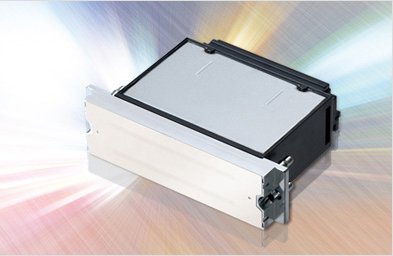
According to Ricoh, the Ricoh Gen 6 printhead is more compatible with various inks than the G5 printhead and has a longer lifespan, which means that the glue used to bond the components in the new printhead has been greatly improved and the process has undergone major changes. The following is an analysis of the current application of Ricoh printheads in some major inks.
1. Ricoh Gen 6 Printhead: UV Ink
In recent years, the consumption of UV ink has been increasing significantly. Last year, the production of UV ink in China reached more than 3,000 tons. If the import volume is included, the consumption will be more than 5,000 tons. Therefore, the application of UV ink is still a very prosperous market in the past five years. If you can occupy a place in the application of UV ink, it will be very important for various printhead manufacturers. Of course, it is also an application field that many of our equipment manufacturers want to focus on.
The excellent performance of Ricoh G5 printheads on UV ink has been recognized by everyone in recent years. Therefore, the application of Ricoh G5 printheads in UV machines has been rapidly expanded in 2018. It is estimated that the annual consumption of G5 printheads in the Chinese market will reach more than 30,000. If the performance of G6 printheads on UV ink is as good as G5, coupled with its new advantages, it is expected that it will soon be recognized and sought after by everyone.
2. Ricoh Gen 6 Printhead: Active ink
The amount of active ink used has been slowly increasing in recent years. Last year, China produced more than 3,000 tons of active ink. However, there are not many devices that use G5 printheads on active ink. This is not because people are not working hard or trying it out. It is just that G5 printheads are far less advantageous than other printheads in the application of active ink. But can the new G6 printhead change this situation? Let's wait and see.
The biggest problem with active ink is that it is easy to hydrolyze. Once hydrolysis occurs, the pH value of the ink will develop in the direction of acidity. In the past, the epoxy glue in the G5 printhead had a weak resistance to acidic liquids, which accelerated the damage to the printhead. Many companies at home and abroad used it for active inks, but the performance was far worse than other printheads, so only a few companies are still using it. This time, the glue in the G6 printhead has a much better ability to resist acidic liquids than the previous generation G5 printhead. It is estimated that some companies will choose it for active ink applications, but what is the actual effect? This conclusion will have an accurate answer at least until next year.
3. Pigment Ink
Because the conductivity of pigment ink is very low, the compatibility requirements for the printhead are relatively low. For pigment ink, the stability of the ink itself should be taken into consideration; otherwise, the sediment and flocculants generated after the ink is used for a period of time will easily clog the printhead. At present, the quality of paint ink produced in China is still far behind that of foreign ones. Therefore, most of the G5 printhead equipment uses imported paint ink, while domestic paint ink is mostly used for low-priced printheads. There are not many good cases for G5 printheads. As a result, the total amount of paint ink produced in China last year was very small, only about 500 tons.
However, the newly launched G6 printhead will not significantly increase the amount of paint ink used. If the amount of pigment ink used is to be increased, it will be more advantageous for the printhead to have a circulation function. If the paint ink used is very stable and the high-speed performance of the G6 printhead is further utilized, a competitive device may be produced.