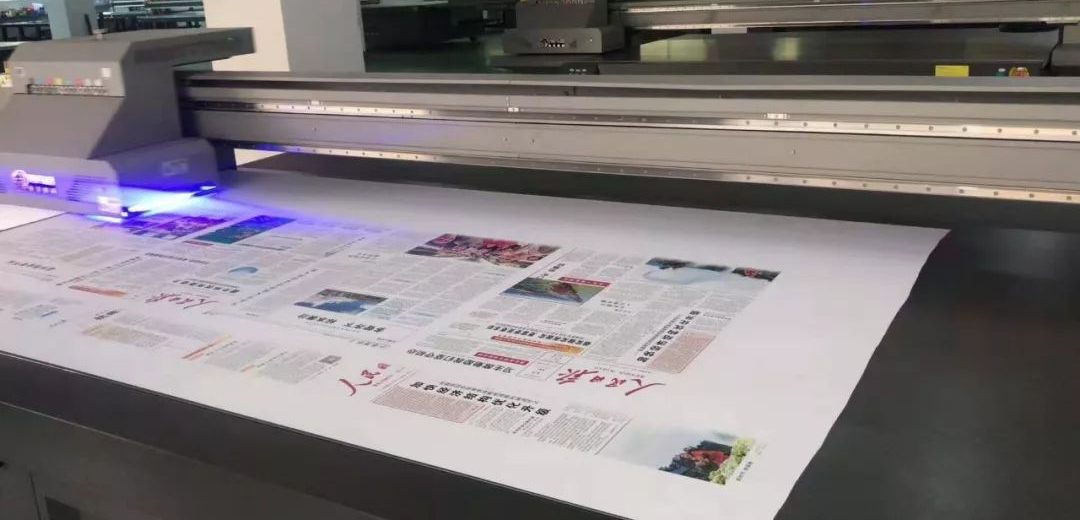
For advertising inkjet printers, protecting equipment during typhoons is crucial. Humidity, flooding, lightning, and power outages can all cause irreversible damage to precision printing equipment.
Proper protective measures not only ensure the safety of equipment during typhoons but also avoid expensive repairs and production interruptions. Below is a comprehensive safety plan for UV printers during typhoons.
Moisture-proof measures ensure circuit safety
A prominent feature of typhoon weather is high humidity. UV printers, as precision equipment, have strict requirements for operating humidity. Excessive humidity can cause circuit board short circuits, nozzle clogging, and poor print quality.
Maintaining a dry environment is the first step in preventing moisture. During a typhoon, be sure to close all doors and windows, and avoid running exhaust fans whenever possible to prevent the introduction of humid air into the room. If your workspace is air-conditioned, immediately turn on the dehumidifier function, using the dehumidifying or cooling setting to dehumidify the room.
For severely humid environments, using a professional dehumidifier is recommended for better results. It's especially important to keep doors and windows closed when using the air conditioner or dehumidifier, as this will significantly reduce the effectiveness.
Moisture-proofing the equipment itself is equally important. Ensure all housings of the UV printer are securely covered to prevent moisture from shorting out related circuit boards and components. Before each startup, use a hair dryer on the cold setting to dry the mainboard, carriage board, and circuit connectors.
Waterproofing measures prevent accidental damage
Typhoons are often accompanied by heavy rainfall, which can cause water intrusion indoors. UV printers, as electrical equipment, are particularly vulnerable to flooding, so thorough waterproofing is essential.
Equipment positioning is crucial. During heavy rain, keep the machine away from windows, doorways, and other areas susceptible to rain. Even if these areas are normally protected from water, strong winds during a typhoon can blow rainwater indoors.
Check the ceiling and walls for possible water seepage, and take precautionary measures if necessary. Floor waterproofing is also crucial. If the floor is severely damp, lay out some newspapers, old books, or other absorbent materials on the floor. This will not only absorb moisture but also prevent slipping. Also, place printing media on dedicated racks, hanging them free from the floor and walls.
Flood prevention and control measures should be prepared in advance. For factories located in low-lying areas, waterproof sandbags and other materials should be prepared in advance to prevent rainwater from backflowing into equipment rooms.
Lightning Protection to Prevent Lightning Damage
Lightning is a common symptom associated with typhoons and poses a significant threat to electronic equipment. Taking proper lightning protection measures can effectively reduce the risk.
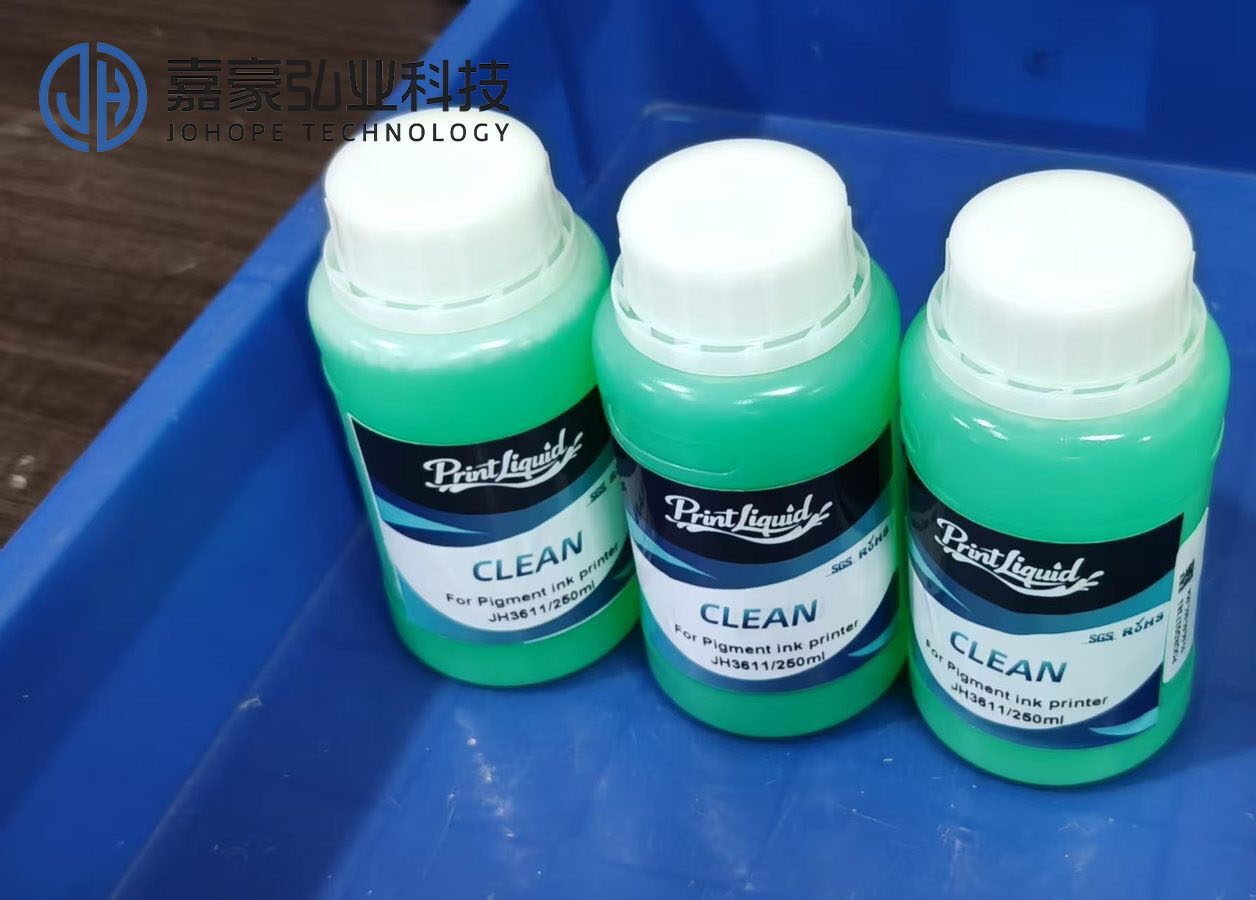
Isolating the power supply is the most basic lightning protection method. During a thunderstorm, to protect your equipment from lightning strikes, first shut down the machine and computer, turn off the power to the machine, moisturize the printhead to prevent clogging from prolonged non-use, and finally unplug the data cable connecting the computer and UV printer.
Checking the grounding system is crucial. Ensure the equipment is properly grounded, and regularly check the ground connection for a secure connection. The ground wire should be located a suitable distance from the lightning rod and away from large outdoor metal objects. Use a dedicated ground wire to avoid connecting it in series with other equipment, which could cause unnecessary equipment damage.
Power Outage Prevention and Emergency Response
Typhoons may cause unstable power supplies or even power outages. Sudden power outages can damage UV printers, especially while printing.
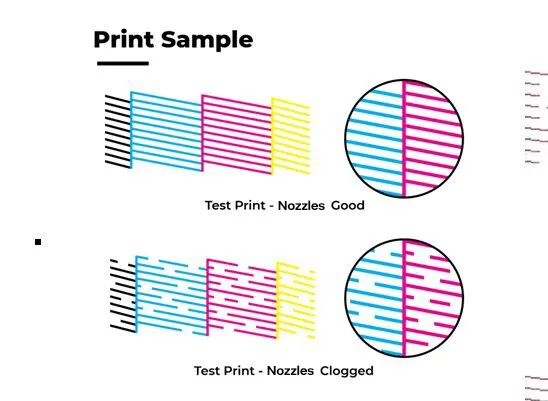
Before leaving work each day, print a printhead test strip for safekeeping (to facilitate post-disaster assessment of printhead status), then press the machine's emergency stop switch, and finally turn off the main power switch to prevent sudden power outages that could cause printhead blockage or data loss.
In the event of a sudden power outage, immediately turn off all power switches. Do not rush to restart the machine once power is restored. First, check the voltage stability (you can use a multimeter). Once confirmed, restart the machine in the following order: "First, turn on the main switch, then start the machine, then perform pre-drying." If any unusual indications or sounds are detected, immediately disconnect the power and contact a qualified technician for inspection.
Equipment Maintenance: Special Considerations During Special Weather Conditions
Maintenance efforts must continue even after a typhoon. High humidity can potentially damage the equipment's mechanical components.
Rust prevention of mechanical components is crucial. After a heavy rainstorm, the air is humid. Lubricate the equipment's guide rails, lead screws, and sliders to prevent rust from affecting precision and operation. Regularly clean the interior and exterior of the equipment, especially key areas like the printhead and guide rails.
Printhead maintenance is crucial. After starting your UV flatbed printer daily, always print a test strip to check for blockage. High summer temperatures can easily cause ink drying, while high humidity can lead to various other issues.
Using genuine consumables is crucial. Using inferior ink in humid environments can easily lead to printhead clogging. Mixing inks from different batches can cause chemical reactions, resulting in precipitation or changes in viscosity, leading to printhead clogging.
After a typhoon passes, don't rush into production immediately. First, conduct a thorough inspection of your UV printer: check that the circuitry is dry, the mechanical components are intact, and the printhead is functioning properly. It's recommended to perform a test print to confirm that all functions are functioning properly before gradually resuming normal production.
Safety is paramount; prevention is the key. When a super typhoon approaches, thorough preparation is crucial to ensure your UV printer survives the typhoon and resumes normal production quickly after the weather improves. I hope today's sharing is helpful!