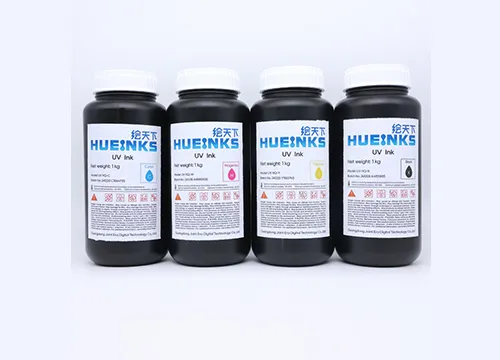
As temperatures rise during summer, UV printing systems face significantly higher operational risks. Compared with water-based or eco-solvent inks, UV inks are more sensitive to environmental conditions due to their unique photo-curing properties. They can rapidly solidify under UV light exposure and are also affected by high temperatures during storage, transportation, and usage.
In summer, improper handling of UV ink may lead to:
- Ink sedimentation
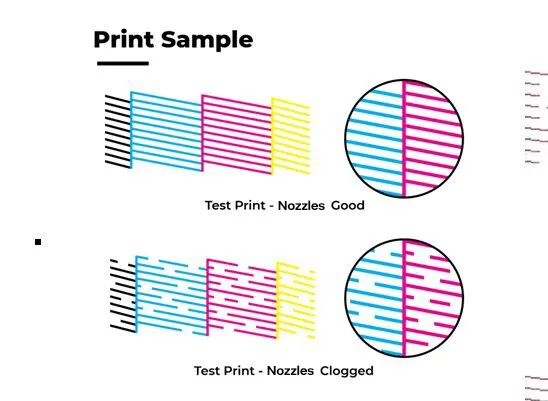
- Printhead clogging
- Increased banding or ink splashing
- Ink viscosity instability
- Reduced color consistency
- Poor adhesion on flexible media
- Smudging and material sticking issues
Most of these problems are not caused by ink quality itself but by improper storage conditions and insufficient environmental control during use.
Therefore, proper UV ink management during summer is essential to ensure stable printing performance, protect printheads, and reduce production downtime.
Why UV Ink Becomes Less Stable in Summer
UV ink is a photo-curable ink system that reacts under ultraviolet light to form a solid film. However, aside from UV exposure, temperature plays a critical role in ink stability.
In high-temperature environments:
- Resin activity inside the ink increases
- Pigments are more likely to settle
- Viscosity changes accelerate
- Partial premature reactions may occur
When exposed to prolonged heat, UV ink may experience:
- Layer separation
- Reduced fluidity
- Unstable jetting behavior
- Increased risk of printhead clogging
These risks are especially prominent during summer storage, transport, and operation in poorly controlled environments.
The key principle for summer UV ink management is simple: temperature control is critical.
Proper Storage Guidelines for UV Ink in Summer
Avoid Direct Sunlight and Heat Sources
UV ink should never be exposed to direct sunlight or placed near heat sources.
Recommended storage conditions:
- Temperature: ≤ 35°C (95°F)
- Cool and shaded environment
- Well-ventilated storage area
- Away from flames or heat-emitting equipment
Avoid storing ink in:
- Window-side areas
- Metal warehouses under sunlight
- Hot production workshops
- Upper layers of containers exposed to heat
Prolonged exposure to high temperatures can significantly degrade ink stability.
It is also recommended to store ink bottles upside down to reduce pigment sedimentation and improve consistency before use.
Use Opened Ink Within 30 Days
Once opened, UV ink begins to interact with air, which can gradually affect its stability.
To maintain optimal performance:
- Use opened ink within 30 days
- Seal bottles immediately after use
- Avoid prolonged exposure to air and moisture
- Minimize repeated opening of containers
This helps prevent oxidation and ink degradation.
Shake Thoroughly Before Use
High summer temperatures can accelerate pigment settling inside ink bottles.
Before filling ink into the system:
- Shake the ink thoroughly and evenly
- Ensure complete mixing of pigments and additives
This is especially important for:
- White ink
- High-concentration inks
- Ink stored for long periods
Insufficient mixing may cause:
- Color inconsistency
- Nozzle instability
- Printhead clogging
- Uneven ink output
Special Considerations for International Shipping
During summer, container temperatures can become extremely high due to direct sunlight exposure.
In extreme cases, internal container temperatures may exceed 60°C (140°F), which can severely damage ink stability.
To minimize risk during shipping:
- Avoid placing ink on the top layers of containers
- Keep away from sun-exposed sides
- Prefer lower and shaded positions
- Place near container doors for better ventilation
For long-distance logistics, additional measures such as thermal insulation or shading materials are strongly recommended.
UV Printer Usage Recommendations in Summer
Keep Equipment Away from Direct Sunlight
UV printers should be placed in:
- Cool and shaded environments
- Well-ventilated workshops
- Indirect lighting areas
Avoid:
- Direct sunlight exposure
- Enclosed high-temperature rooms
- Placement near heat-generating equipment
Excessive heat may cause:
- Ink temperature instability
- Increased ink misting or overspray
- Unstable negative pressure performance
If issues such as ink accumulation or overspray occur, consider:
- Reducing ink heating temperature
- Adjusting negative pressure settings
- Checking printhead height calibration
Turn Off Ink Heating in Summer if Necessary
Many UV printers include ink heating systems to improve ink flow in cold conditions.
However, during summer:
- The ambient temperature is already high
- Additional heating may cause overheating
Therefore, it is recommended to:
- Turn off secondary ink tank heating when not needed
This helps maintain optimal ink viscosity and jetting stability.
Power Off Equipment During Long Idle Periods
Even in standby mode, printers continue generating internal heat.
Extended idle operation in summer may lead to:
- Mainboard overheating
- Ink degradation
- Printhead drying issues
- Increased electronic stress
When the machine is not in use for long periods:
- Power off the system completely
This helps protect both ink and electronic components.
Media and Finished Product Handling in Summer
Avoid Stacking Hot-Printed Materials
Freshly printed flexible materials are highly sensitive to pressure and heat.
In high-temperature conditions, stacking may cause:
- Surface sticking
- Color transfer
- Compression marks
- Ink offset damage
This is especially common with:
- Soft films
- Vinyl materials
- Backlit films
- PET-based media
If stacking is necessary:
- Place interleaving paper or protective film between layers
Reduce Tension During Roll Storage
Flexible materials become softer under heat.
Excessive winding tension may result in:
- Surface deformation
- Ink adhesion between layers
- Wrinkling or distortion
It is recommended to:
- Reduce take-up tension appropriately during summer operation
Store Finished Products in Controlled Environments
After printing, finished materials should be stored in:
- Air-conditioned rooms
- Cool and dry warehouses
- Shaded indoor environments
For outdoor installation:
- Use gentle airflow (e.g., fans) to help even drying
- Unroll materials slowly to prevent sticking or damage
Stable UV Printing in Summer Starts with Proper Environmental Control
Most summer-related UV printing issues are not caused by ink defects, but by environmental instability and improper handling practices.
To ensure stable production, it is essential to manage:
- Temperature control
- Ink storage conditions
- Equipment heat management
- Media handling procedures
- Proper operational discipline
By implementing these best practices, you can significantly improve print stability, extend printhead lifespan, reduce downtime, and maintain consistent production quality throughout the summer season.
For persistent ink stability issues or specific application requirements, selecting a UV ink formulation better suited for high-temperature environments can further enhance overall printing performance.