In UV digital printing, white ink is far more than just “white color.” It is a functional printing layer that determines color vibrancy, material compatibility, and overall print quality—especially when working with transparent or dark substrates.
In many cases, UV white ink is what transforms UV printing from a basic imaging process into a truly multi-material, high-value production technology.
This article provides a structured look at UV white ink from its principles to real-world applications.
1. What Is UV White Ink?
UV white ink is a specialized ink formulated for UV printing systems. It is designed to cure instantly under UV-LED light, forming a solid white layer with strong opacity and adhesion.
Unlike standard color inks, UV white ink is not only used for color reproduction—it is used as a structural and optical foundation layer.
Its key functions include:
- Creating a printable base using transparent materials
- Enhancing color vibrancy on dark surfaces
- Expanding printable substrate compatibility
- Supporting multi-layer printing effects
In short, UV white ink is a foundation layer that enables advanced UV printing applications.
2. Key Functions of UV White Ink
Opacity and Color Blocking Layer
When printing on dark or colored substrates, CMYK inks alone often lose brightness and visibility.
UV white ink solves this by acting as a background blocking layer.
Typical applications:
- Black plastic surfaces
- Dark wood panels
- Colored industrial parts
Benefits:
- Stronger color contrast
- Improved image clarity
- More accurate color reproduction
It essentially acts as a visual amplifier for color systems.
Base Layer for Transparent Materials
On transparent substrates such as acrylic, glass, or PET film, UV white ink serves as a necessary base layer.
Printing structure:
Substrate → White Ink Layer → Color Ink Layer
Applications include:
- Acrylic signage
- Glass decoration panels
- Transparent packaging labels
Benefits:
- Prevents transparency loss
- Enhances visual focus
- Creates layered design effects
Without white ink, printed graphics on transparent materials would appear washed out or invisible.
Standalone White Ink Printing
UV white ink can also be used independently to create pure white graphics.
This enables:
- White logos on dark surfaces
- Minimalist typography designs
- High-contrast branding elements
Advantages:
- No need for color inks
- Lower production cost
- Clean and modern visual style
This is widely used in branding, industrial labeling, and decorative design.
3D and Textured Printing Effects
By layering UV white ink multiple times, it is possible to create raised or embossed textures.
Applications:
- Luxury packaging
- Art prints
- Decorative panels
Effects achieved:
- Embossed surfaces
- Tactile design elements
- Visual depth enhancement
Here, white ink functions not just as color, but as a buildable material layer.
Light Blocking and Backlight Control
UV white ink also plays an important role in controlling light transmission.
Common uses:
- Backlit signage (lightbox printing)
- Transparent labels
- Light-blocking protective layers
Benefits:
- Prevents light bleeding
- Improves image purity
- Enhances visual stability under lighting conditions
Light Blocking and Backlight Control
UV white ink also plays an important role in controlling light transmission.
Common uses:
- Backlit signage (lightbox printing)
- Transparent labels
- Light-blocking protective layers
Benefits:
- Prevents light bleeding
- Improves image purity
- Enhances visual stability under lighting conditions
Protective Layer for Color Inks
In certain workflows, white ink is applied as a protective coating over color layers.
This helps:
- Improve scratch resistance
- Enhance durability
- Extend product lifespan
It is especially useful for high-contact or outdoor applications.
3. Technical Characteristics of UV White Ink
High Opacity
Strong coverage capability ensures excellent performance on dark or transparent surfaces.
Instant UV Curing
Cures immediately under UV-LED exposure, improving production efficiency.
Strong Adhesion
Compatible with a wide range of materials, including:
- Glass
- Metal
- Acrylic
- PVC
- Leather
- Composite materials
Balanced Flow Stability
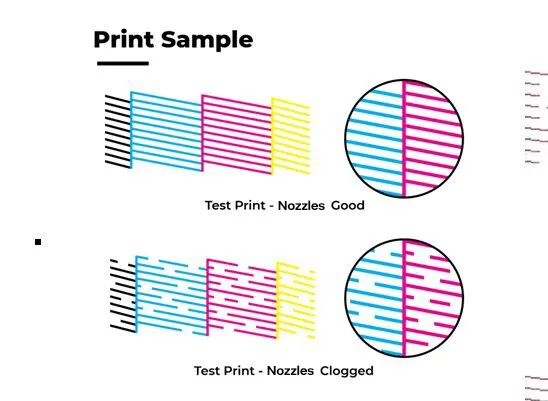
High-quality white ink maintains stable fluidity while minimizing printhead clogging risks.
Flexible Material Compatibility
Certain formulations support flexible substrates without cracking.
4. Common Application Scenarios
Transparent Materials
Acrylic panels, glass products, and PET films
→ Used as a base layer for full-color graphics
Dark Substrates
Black plastics, wood surfaces, and industrial parts
→ Enhances visibility and contrast of printed designs
Custom Consumer Products
Phone cases, labels, personalized gifts
→ Improves detail clarity and premium appearance
Leather and Footwear
Shoe uppers, leather accessories
→ Enables strong adhesion and decorative white graphics
Art and Interior Decoration
Relief artwork, decorative panels
→ Creates layered and embossed visual effects
5. Important Usage Considerations
White Ink Circulation and Agitation
White pigment tends to settle over time, so proper handling is essential:
- Regular stirring or shaking
- Continuous ink circulation systems
This helps prevent nozzle clogging and ensures print stability.
UV Curing Energy Matching
Due to its higher density, white ink requires sufficient UV curing power.
Incomplete curing may cause:
- Sticky surfaces
- Poor adhesion
- Layer instability
Substrate Adhesion Testing
Different materials may require primer treatment to improve bonding performance.
Controlled Layer Thickness
Excessive layering may lead to:
- Bubbling
- Cracking
- Uneven surfaces
Proper ink control is essential for consistent results.
Conclusion: UV White Ink as a Core Enabling Technology
UV white ink is not simply a color component—it is a functional foundation layer that defines the capabilities of UV printing systems.
Its role can be summarized in three dimensions:
- Visual Layer: Enhances color brightness and contrast
- Structural Layer: Enables multi-layer and 3D printing effects
- Application Layer: Expands printable materials and use cases
Without white ink, UV printing would be significantly limited in scope. With it, the technology becomes a flexible, multi-industry production solution.