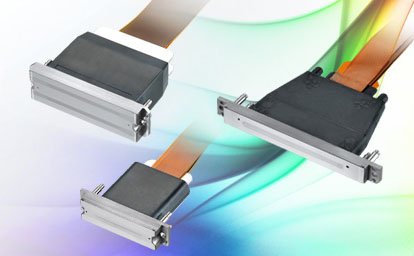
In the industrial inkjet printing industry—including UV flatbed printers, DTF/DTG systems, and wide-format production machines—Ricoh GH2220, Ricoh G4, Ricoh G5, Ricoh G5i, Ricoh G5S, and Ricoh G6 are among the most widely used industrial printheads.
Each model differs significantly in structure, droplet size, speed, and application scenarios. Choosing the wrong printhead can directly affect print quality, production efficiency, maintenance cost, and machine lifespan.
This guide provides a complete technical breakdown to help you select the right Ricoh printhead for your application.
Common Ricoh Print Head Key Specifications
Ricoh print heads vary by nozzle count, arrangement, droplet size, and application. Below is a comparison of the main series:
| Printhead | Ricoh G5i | Ricoh GH2220 | Ricoh G4 | Ricoh G5 | Ricoh G6 | Ricoh G5S | ||||
| TH5241 | MH2420 | MH5420 | MH5440 | MH5421 | MH5441 | MH5320 | MH5340 | MH5220 | ||
| Print Width | 27.1 mm (1.06") | 32.4 mm (1.28") | 32.4 mm(1.28") | 54.1mm | 54.1 mm (2.1") | 54.1 mm (2.1") | ||||
| Number of Nozzles | 1,280 (320 nozzles/row x 4 rows), staggered | 384 | 384 (2 x 192 channels), staggered | 1,280 (320 nozzles/row x 4 rows), staggered | 1,280 (4 x 320 channels), staggered | 1,280 (4 x 320 channels), staggered | ||||
| Compatible ink | UV, Solvent, Aqueous, Others. | Aqueous, Solvent | UV, Solvent, Aqueous, Others. | UV, Solvent, Aqueous, Others. | Aqueous ink | UV, Solvent, Aqueous, Others. | UV | |||
| Max.number of color inks | 4 colors | 2 colors | 2 colors | 2 colors | 4 colors | 2 colors | 4 colors | 2 colors | 4 colors | 2 colors |
| Drop volume | 3pl (Single drop) 3~12pl (max 21pl) (Multi drop) | Binary mode:3 - 5pl/Grey-scale:21±2pl | Binary mode: 7pl/ Grey-scale mode: 7-35pl *Depends on ink type and properties. | Binary mode: 7pl / Grey-scale mode : 7-35pl *depending on the ink | 7/14/21pl (depending on the ink) | Binary mode: 5pl/Grey-scale mode: 5-15pl | Binary mode: 2.5pl/Grey-scale mode: 2.5 - 9pl *depending on the ink | |||
Parameter explanation:
Nozzle count: More nozzles cover a larger area and increase print speed.
Arrangement: A single row is suitable for low-speed or small-width printing; a double/four-row arrangement is ideal for high-resolution or high-speed printing.
Droplet size: Smaller droplets provide higher precision for fine details; larger droplets fill color faster for high-speed production.
Quick Selection Guide: Which Ricoh Printhead Is Right for You?
Not sure which Ricoh printhead fits your printing application? Use the table below to quickly identify the most suitable model based on your production requirements.
| Your Requirement | Recommended Model | Best For |
| Lowest budget and entry-level UV printing | GH2220 | Small UV printers, promotional products, labels |
| Cost-effective solution for signage production | G4 | Signage, advertising graphics, decorative printing |
| Balanced speed, quality, and reliability | G5 | UV flatbed printers, roll-to-roll printers, industrial printing |
| High-gap printing and smoother grayscale output | G5i | Textured materials, industrial UV printing, complex graphics |
| Ultra-high image quality and fine details | G5S | Acrylic printing, luxury decoration, premium graphics |
| Maximum production speed and industrial efficiency | G6 | High-volume UV production, industrial inkjet systems |
If your primary application is UV flatbed printing, you may also find this detailed guide helpful:
How to Choose Ricoh Printheads for UV Printers
Ricoh Printhead Models Compared
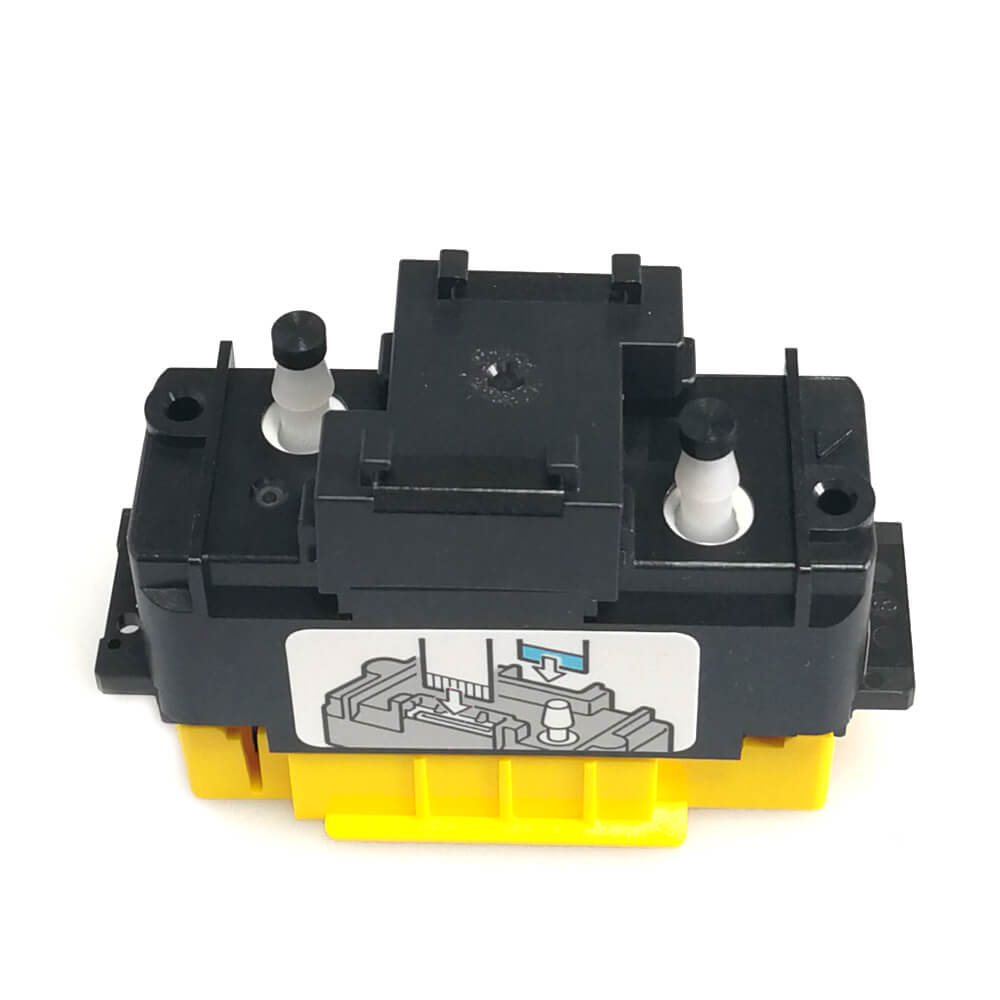
Ricoh GH2220 Printhead — Entry-Level Printhead
Key Features:
- Single-row structure
- Fixed 6pl droplet size
- Lowest cost industrial option
Advantages:
- Easy system integration
- Low investment cost
- Suitable for small UV machines
Limitations:
- No grayscale printing
- Lower image quality
- Limited lifespan
Recommended Applications:
- Phone case printing
- USB drives
- Labels
- Small custom products
For a deeper analysis of durability and lifespan performance of entry-level Ricoh printheads, read:
Is the Ricoh GH2220 Printhead Durable? Lifespan & Performance Analysis
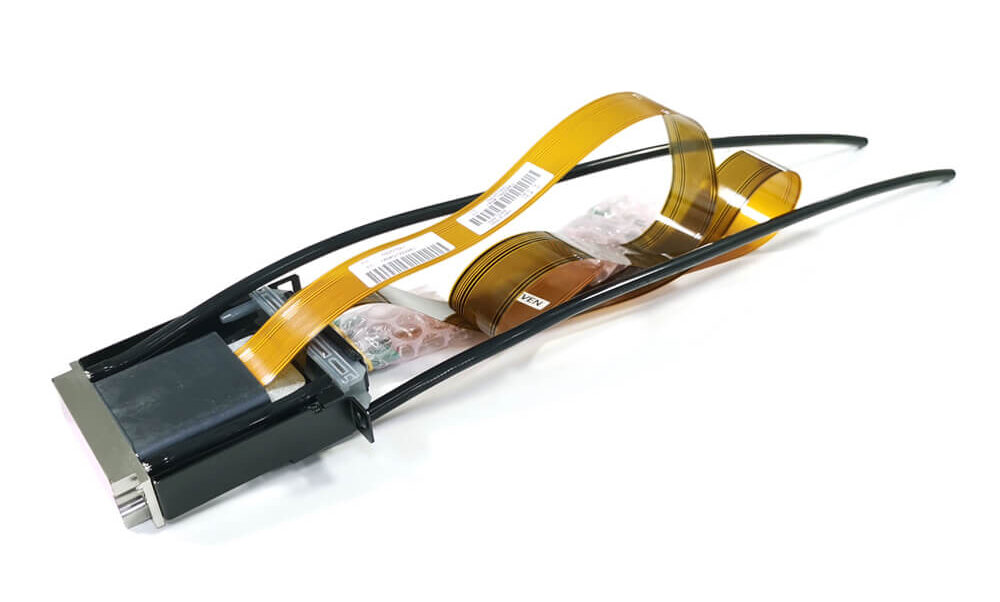
Ricoh Gen4 Printhead (MH2420) — Stable Mid-Range Solution
Key Features:
- Single-row nozzle design
- 7–35pl variable droplet
- Mature industrial platform
Advantages:
- Proven industrial reliability
- Lower cost compared to Gen5
- Suitable for mid-level production systems
Limitations:
- Lower speed than Gen5
- Limited grayscale control
- Not ideal for high-definition image output
Recommended Applications:
- UV craft printing
- Advertising signage
- Decorative printing
- Medium-scale customization
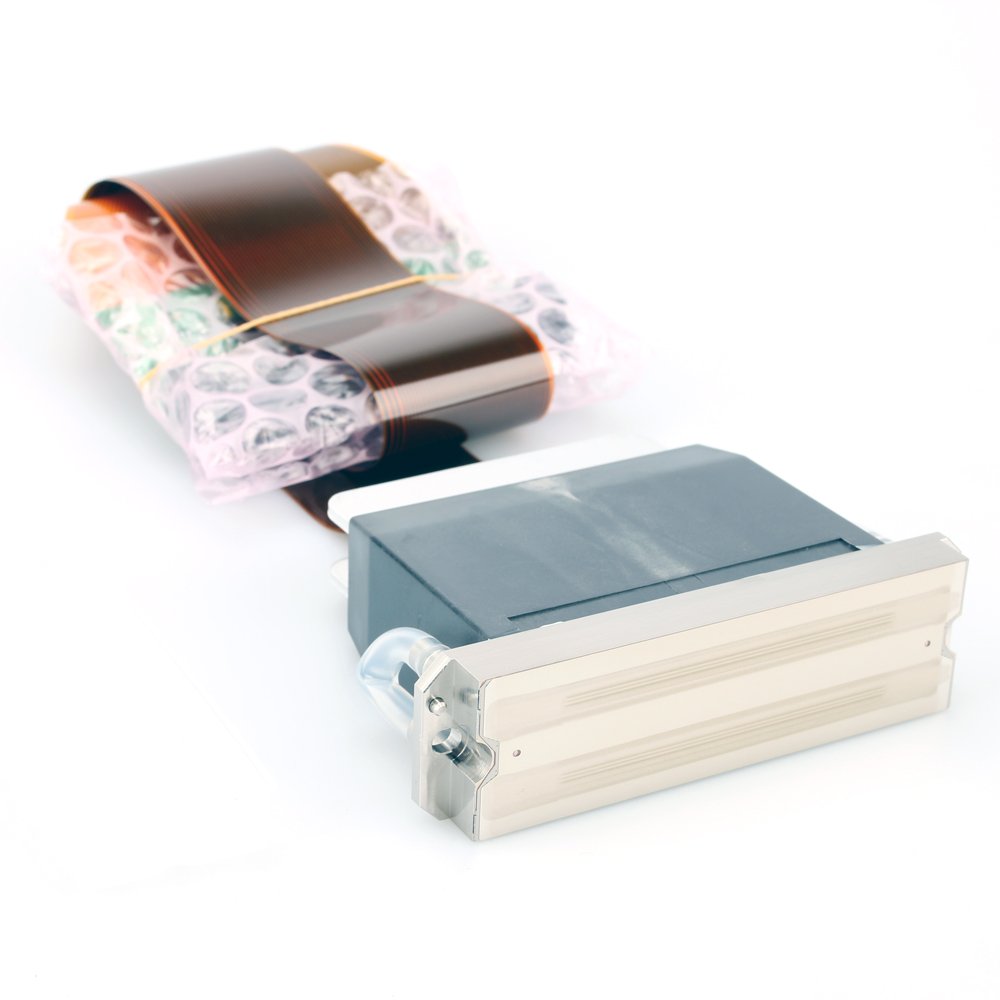
Ricoh Gen5 Printhead (MH5420/MH5440/MH5421/MH5441) — Mainstream Industrial Workhorse
Features:
- 1280 nozzles, quad-row structure
- Supports grayscale printing
- 7–35pl variable droplet
Advantages:
- High-speed and high-precision printing
- Strong grayscale capability for smooth gradients
- Wide ink compatibility (UV, solvent, water-based)
- Mature ecosystem with strong market support
- Stable long-term industrial operation
Limitations:
- Higher cost compared to Gen4
- Requires stable driver board and ink system
- Slightly slower cold start performance
Recommended Applications:
- UV flatbed printing
- Glass, wood, ceramic tile printing
- Acrylic and metal decoration
- Industrial signage production
For a deeper technical breakdown of Ricoh G5 performance, structure, and industrial applications, see:
Ricoh G5 Printhead Deep Analysis Guide
The Ricoh Gen5 remains one of the most widely adopted printheads in the UV printing industry due to its balance of print quality, durability, and cost efficiency. For a deeper look at its advantages in UV applications, see:
Why the Ricoh Gen5 Printhead Is Preferred for UV Printers
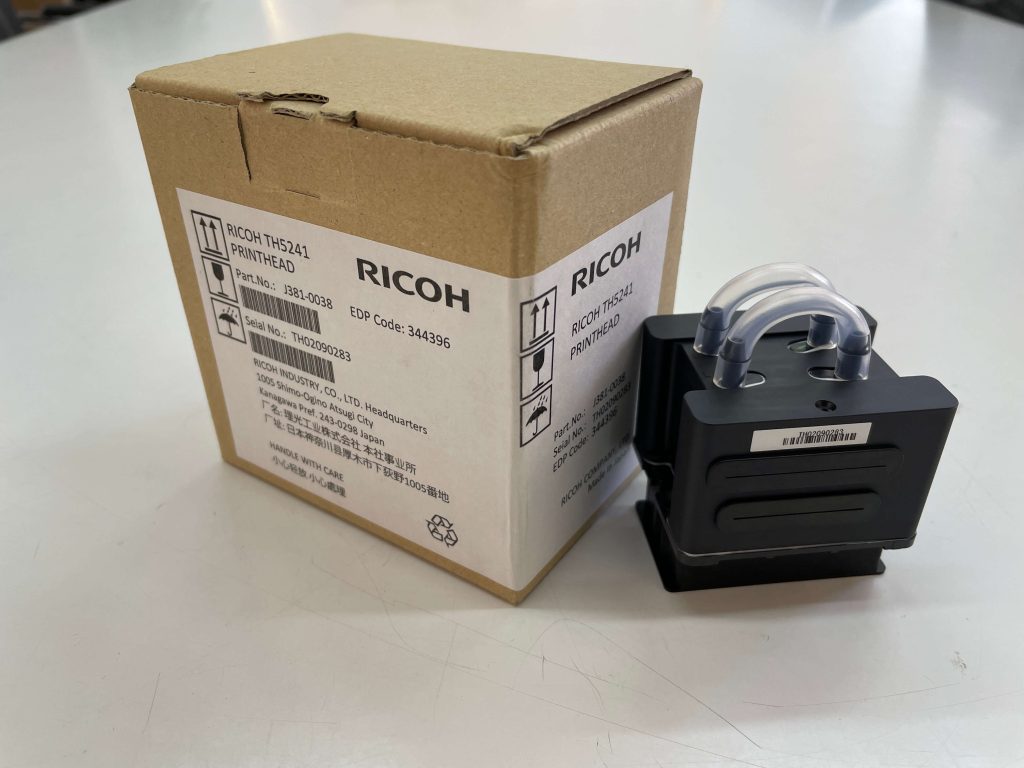
Ricoh Gen5i Printhead (TH5241) — Enhanced Stability Upgrade
Key Improvements:
- Optimized ink channel design
- Faster cold start performance
- Smoother grayscale transitions
Performance Characteristics:
- Improved output consistency
- Supports up to ~3cm printing gap
- Better for frequent start-stop production
Advantages:
- Higher print stability in continuous production
- More precise ink droplet control
- Better color smoothness and gradient transition
- Improved performance in high-frequency start/stop environments
Limitations:
- Requires better-matched ink supply system
- Higher system requirements (driver board / electronics)
- Needs proper calibration for best performance
For users comparing entry-level Ricoh printheads and alternative solutions, you may also find this guide useful:
Why Choose Ricoh TH5241 Printhead for Your Printer
Recommended Applications:
- High-end UV printing systems
- Fine art reproduction
- Industrial imaging and graphics
- High-detail decorative printing
Ricoh G5S — Ultra-High Precision Printhead
Key Features:
- Independent structure design
- Ultra-fine droplet (2.5–3.5pl)
- Extremely high resolution output
Advantages:
- Highest precision in Ricoh lineup
- Exceptional image detail
- Ideal for premium visual output
Limitations:
- Not suitable for high gap printing
- Slower production speed
- Higher ink and system cost
Applications:
- Acrylic signage
- High-end decoration
- Ultra-HD image production
Ricoh Gen6 Printhead (MH5320 / MH5340) — High-Speed Flagship Model
Based on Ricoh’s advanced industrial inkjet technology, Gen6 is designed as a next-generation high-speed industrial printhead benchmark.
Key Features
- 1280 nozzles, staggered quad-row design
- 5–15pl variable droplet
- High-frequency driving (~50kHz)
Advantages:
- Best balance of speed and quality
- Production speed up to 12–20 m²/h
- Faster startup and higher efficiency
Limitations:
- Requires advanced control systems
- Higher machine cost
Applications
- High-speed roll-to-roll printing
- Packaging printing
- Corrugated printing
- Industrial mass production lines
- High-end UV production systems
For more detailed technical specifications and performance characteristics of Ricoh G6, refer to the official breakdown:
Ricoh G6 Printhead Features and Technical Overview
Recommended reading for deeper technical comparison between flagship industrial models:
Ricoh G5 vs G6 Printhead Comparison
Key Technical Differences
Structural Design Comparison
- GH2220 / G4 → Single-row structure
- G5 / G5i / G5S / G6 → Quad-row industrial structure
Modern industrial production mainly relies on quad-row designs for higher efficiency and stability.
Precision Ranking (Highest to Lowest)
G5S > G5i > G6 > G5 > G4 > GH2220
Smaller droplet size = higher image sharpness and smoother gradients
Printing Speed Ranking
G6 > G5 ≈ G5S > G5i > G4 > GH2220
- G6: up to 20 m²/h
- G5: 10–12 m²/h
- G5i: 5–8 m²/h
4High-Gap Printing Capability
| Model | High-Gap Support |
|---|---|
| G5i | ⭐⭐⭐ Best (~3cm) |
| G6 | ⭐⭐ (~2cm) |
| G5 | ⭐ |
| G5S | Not supported |
| G4 / GH2220 | Not recommended |
Lifespan & Maintenance Cost
- Longest lifespan: G5 / G6 (1–3 years industrial use)
- High precision but sensitive: G5S
- Moderate lifespan: G5i (6–12 months heavy use)
- Entry-level: GH2220 / G4
How to Choose the Right Ricoh Printhead
Choose GH2220 if:
- Lowest budget requirement
- Small UV printer setup
- Simple graphic output
Choose G4 if:
- Entry-to-mid UV production
- Advertising signage printing
- Stability is priority over speed
Choose G5 (Most Recommended):
- Industrial UV or roll-to-roll printing
- Multi-material applications
- Best cost-performance balance
Choose G5i if:
- High-frequency production environment
- Complex graphics requiring smooth gradients
- High-gap printing required
Choose G5S if:
- Ultra-high resolution output
- Acrylic, luxury decoration printing
- Premium image quality demand
Choose G6 if:
- Mass industrial production
- High-speed UV printing
- Large-format machines (2513 / 3020)
One-Line Selection Summary
- Lowest cost → GH2220 / G4
- Balanced solution → G5
- Upgraded stability → G5i
- Ultra-fine quality → G5S
- High-speed production → G6
Conclusion: Printhead Selection Is a System Decision
Choosing a Ricoh printhead is not just about performance comparison—it is a system compatibility decision involving:
Printing requirements → Resolution & speed → Ink system → Machine structure → Budget
A properly matched printhead ensures:
- Stable production
- Lower maintenance cost
- Maximum printing efficiency
- Longer machine lifespan